Category Archives: Criterions
Zatoichi: The Blind Swordsman. Disc 6

It has been six months since I last blogged about Zatoichi, and that seems about right. Even though the series is often formulaic and closely resembles a TV series, there is still a great deal more artistry than in most mainstream productions. My good friend David Blakeslee recently discussed the perils of treating the Criterion Collection as a checklist, which is even more tempting with this box set that has functioned as a book-end for the last two years (seriously).
One disc at a time every months feels like the right way to let this series breathe, even if I am technically binging and having a triple feature. Having finished this disc, I wonder whether I would have thrown in the towel if I had continued to binge last time. Fortunately I did not, as I would soon encounter one of my favorites of the series.
ZATOICHI THE OUTLAW, SATSUO YAMAMOTO, 1967

I had a feeling the series had hit a creative slump near the beginning of Outlaw. Some people are having an arrow shooting contest, when Zatoichi walks up and humbly picks up the bow. The others were shooting at large targets from a good distance. Zatoichi says he prefers a smaller target. Not only does he get what he requests, but a lady holds the tiny target as he unleashes the arrow. Any guesses on where it lands? I don’t have to answer that question. It isn’t fair to expect realism from a series where a blind man can annihilate a horde of opponents at once, but sometimes they take it too far. It would be a reach for Robin Hood to be able to hit the target that Zatoichi hits, and who would dare to volunteer to stand in front of a blind man and a projectile weapon?
Outlaw did not get much better than there. The creative juices were nearly nil, as they went back to the well when drawing up the characters and the plot. Zatoichi goes to a town, finds some bad bosses who are taking advantage of peasants by cheating through gambling. He uncovers the operation by using a deft sword trick, and stands up for them.
Zatoichi does go into hiding and becomes an outlaw, but his companions are excruciatingly bad comic relief. They are like the Japanese peasant version of the Keystone Cops, only not nearly as funny.
What was most disappointing with this iteration is that there was potential to flesh out the character. He encounters another samurai who believes in non-violence, and there’s an ethical question given how many people Zatoichi has killed. It would be in the hundreds by this point, if not in 4-digits, which would have to weigh on a good man’s soul, but the thread is not pursued. Instead we get more bad comedy. The film nearly redeems itself with a good rain sequence near the end. It also ratchets up the gore, but this time some terrible practical effects quench the adventure and took me out of the picture. This is one of the low points.
Film Rating: 4/10
ZATOICHI CHALLENGED, KENJI MISUMI, 1967
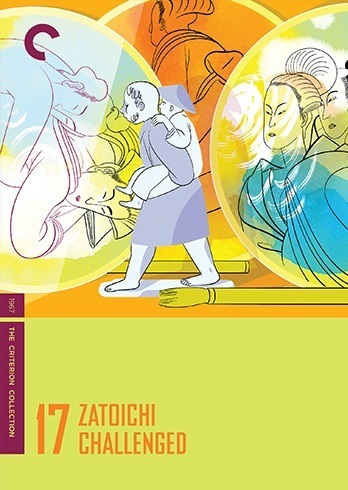
After seeing one of the worst, it was refreshing to see one of the best. Challenged follows some similar terrain as other episodes, but it gives a fresh spin and is well executed. There are two ingredients in particular that tend to make a Zatoichi film stand above the rest — a well developed peripheral samurai character and a child. The latter is central motivator, as his dying mother asks Zatoichi to find the child’s father. This is not unfamiliar, but this has a good child actor who has undeniable rapport with Shintarô Katsu. It is clear that the actor enjoyed being around children and probably helped them off the set, as the bond is easy to see in all of these films. Thus far, this was the best child and “uncle” dynamic.
The other samurai is Tajuro Akatsuka (Jûshirô Konoe), a mysterious figure that we first meet while Zatoichi is traveling with an entertainment troupe. When they are accosted, the samurai defends them by non-violently using the back of his sword. He is tall with a wide frame, and stands straight in an imposing manner. He has some age on him, probably older than Zatoichi, and his motivation is mysterious. He immediately becomes one of the more interesting side characters that the series has introduced.
There is an exceptional scene where we cannot tell whether there is tension or friendship between Zatoichi and this mysterious figure. Zatoichi gives the man a massage, and is offered more than ample payment for the task. Zatoichi tries to turn down the payment. He has his honor and does not feel he has deserved charity. Initially Akatsuka appears to take offense at this rejection, and this scene could go either way. The two have just met and we are not sure whether they will be allies or enemies. Unlike the previous film, this one is cut together well and it heightens the tension and the uncertainty, not just in this scene, but in many.
Even though few films are as predictable as a Zatoichi, this one unravels a little differently with both subplots. I will not give them away, but both are satisfying in a unique way.
Challenged is now my second favorite Zatoichi film next to Pilgrimage.
Film Rating: 8.0/10
ZATOICHI AND THE FUGITIVES, KIMOYOSHI YASUDA, 1968
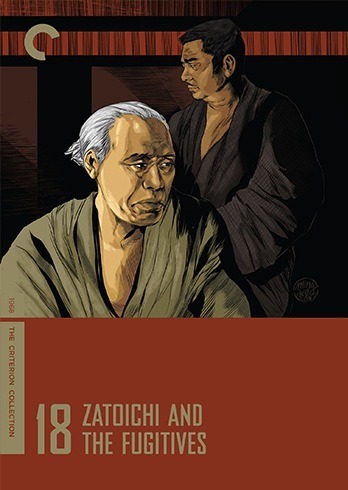
This section of the series is up and down, with highs and lows. Fugitives is closer to mediocrity, but like most of the series, is still highly watchable. One of the strengths is we get a truly great actor, Takashi Shimura, known for films such as Ikiru, Rashomon, Seven Samurai, and many others. He plays an aging doctor that kindly takes the swordsman into his home, allowing Zatoichi to ply his trade as a masseuse and earn an income. Dr. Junan is both ethical and giving to the town, as he gives more in service than he takes in income. At one point Zatoichi suspects him for being so altruistic, which may not be surprising since he encounters so many selfish characters. Junan also hates Yakuza, and is dismayed when he learns that Zatoichi considers himself to be one.
If I were to criticize Fugitives, it is that Shimura is not given enough to do. He is terrific when on screen, and aside from Zatoichi, has the best character. He also has an interesting familial arc that intertwines with the main plot, but even that is not explored with as much depth as I would have enjoyed.
The fugitives are the main plot, but they are underdeveloped and there are simply too many of them. Often the Zatoichi series is too simple, and the characters too flat. In this film, the majority of the characters and all of the fugitives are perplexing. We don’t understand why they are hiding, who they are hiding from, and what their relationship is with the local bosses. What we do know is that they are antagonists.
The series does well with action when they introduce different type of weapons. A group of 50 villains with short swords are as good as mince meat when facing the blind hero. His disadvantage is that he cannot see what is lurking in the shadows. One of the fugitives throws knives, and there is even a gun during one crucial scene. Zatoichi is not as superhuman and actually bleeds in this film, and the action sequences are well developed. If only we had fewer fugitives and more Shimura, this could have been one of the better episodes in the series.
Film Rating: 6.5/10
Criterion Blogathon – Things to Come

Hello, fellow film buffs. We have been quiet for a little while, but with the #CriterionBlogathon just under a month away, we are about to roar!
Most importantly, we are imposing a deadline for topic choice submissions as of this Friday, October 23, 2015. We have updated the Blogathon roster here, and are currently at 170 topics. If you want to participate, this is the last call for you to secure a topic. After checking the roster, please complete this form to participate.
You may also be interested in the podcast that we recently recorded with Kristina over this past weekend. We discussed not only the blogosphere, blogathons, and online film community, but also this specific blogathon. Hopefully you will find it to be an interesting discussion. We certainly enjoyed it! Kristina blogged about her experience here.
The Blogathon will take place over six-days, from Monday, November 16th until Saturday, November 21st. We have divided the topics into sixths, which was not an easy task when you have films from all over the globe that span roughly a hundred years. We divided them by region of the world and time period. Kristina, Ruth, and I will each be hosting two days worth of posts.
The complete schedule is going to be unveiled next week! It will be revealed one day at a time. I hope you follow all three blogs, but if for whatever reason you do not, we will re-blog each post. You can treat these days as “deadlines.” It is not a strict deadline and we will still edit your contribution into the ‘thon if it is late, but there are some incentives for being on time or even early.
Incentives? Does this mean recognition? Does this mean things?
We are giving away awards for each day! The criteria will be:
Most Humorous
Most Original
Best Research
Best Portrait
Once the event is completed, we will give out a Best in Show prize for each category, which will be a yet-to-be-announced actual thing. That is, an actual thing that someone would want! Yes, something that would actually cost money! Out of the large number of entries, this will be a tough choice and we hope everyone will be a good sport about it. We also hope everyone will give it their all.
To recap: Deadline, Podcast, Schedule, Awards, Grand Prizes!
Keep your eyes peeled towards any of the three hosting blogs next week.
Episode 11: January 2016 Releases and the Classic Film Blogosphere

Aaron, Mark and Kristina Dijan talk about the just announced January 2016 Criterion Collection releases. We also delve into the film blogosphere. There is a huge blogging community that spans across multiple platforms, social or technological, and Kristina is at the heart of that community.
Or listen here to it here:
For other apps or mobile devices, try this link.
Or direct download/listen to the MP3.
Show notes:
Special Guest: Kristina Dijan from Speakeasy. You can find her on Twitter.
Outline:
0:00 – Intro, Welcome, Housekeeping
17:25 – News
27:30 – January 2016 Releases
52:15 – The Film Blogosphere
Intro
Criterion Blogathon – Deadline for submissions this Friday, 10/23.
Alambrista – first Criterion Short Cuts episode.
InSession Film: 99 Homes, The Third Man
New header image at Criterion Blues. Thanks, Aaron Bird.
Jean Grémillon During the Occupation – giveaway. Listen for details.
News
Criterion Current: Guy Maddin and Evan Johnson – The Graduate mention.
Cohen Media Acquires Merchant-Ivory.
Nerdist – More on new Wes Anderson project.
January 2016 Releases
The Complete Lady Snowblood
Bitter Rice
The American Friend
Inside Llewyn Davis
Gilda
The Film Blogosphere
Movie Musings and Podcastings – Mark’s new blog.
Reader Programs: WordPress, Feedly, Reeder
Classic Movie Hub’s Blogathon page.
Blogathon Info:
My The Blob contribution to the Great Villain ‘thon.
Classic Movie History Blogathon
Last year’s O Canada Blogathon.
Veteran Bloggers:
Classic Film & TV Cafe
Shroud of Thoughts
Greenbriar Picture Shows
Laura’s Misc Musings
Self-styled Siren
The Stop Button
Blogs Mentioned:
Mike’s Take on Movies
Blonde at the Film
Movies Silently
Now Voyaging
House of Self Indulgence
Wonders in the Dark
Interested in Sophisticated Fun
Criterion Reflections
Rupert Pupkin Speaks
Pre-Code.com
Outspoken and Freckled
Aurora’s Gin Joint
Cinematically Insane
Blogger Groups:
Classic Movie Blog Association – eBook here and here.
Classic Movie Hub
Where to Find Us:
Mark Hurne: Twitter | Letterboxd
Aaron West: Twitter | Blog | Letterboxd
Criterion Close-Up: Facebook | Twitter | Email
Short Cuts Episode 1: Alambrista!

Aaron West starts out this new, shorter series with a solo cast about The Criterion Collection’s release of Robert M. Young’s Alambrista. In this short episode, he explores the low budget “guerrilla” filmmaking, the neo-realism, nature of the immigrant, and evaluates the film and Criterion release.
Or listen here to it here:
For other apps or mobile devices, try this link.
Or direct download/listen to the MP3.
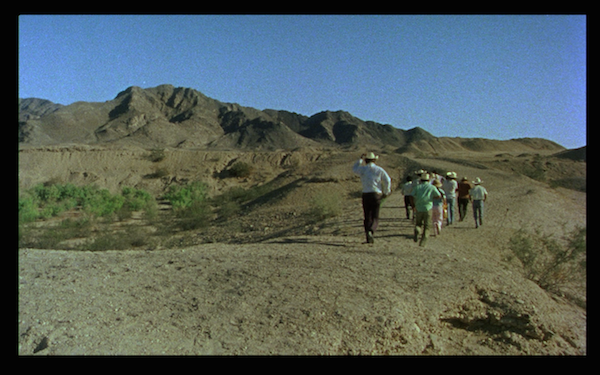
Crossing the border.
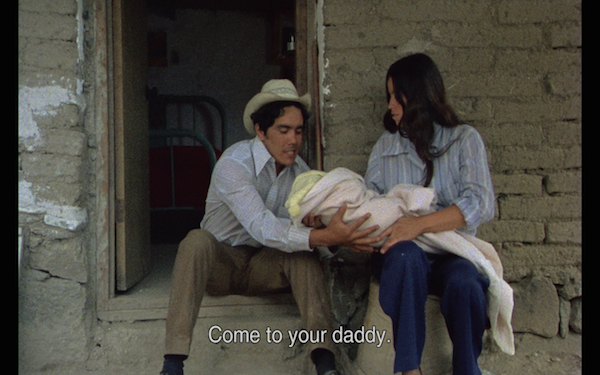
Family in Mexico.
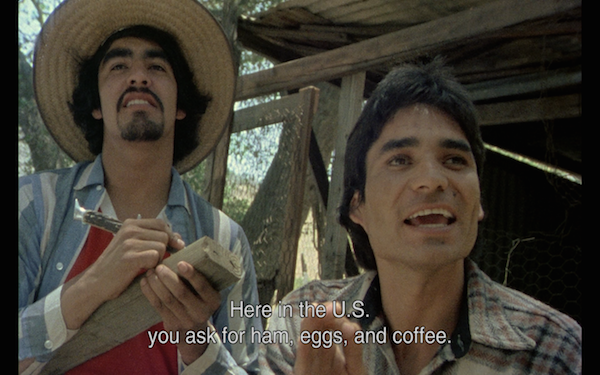
“American” lessons.
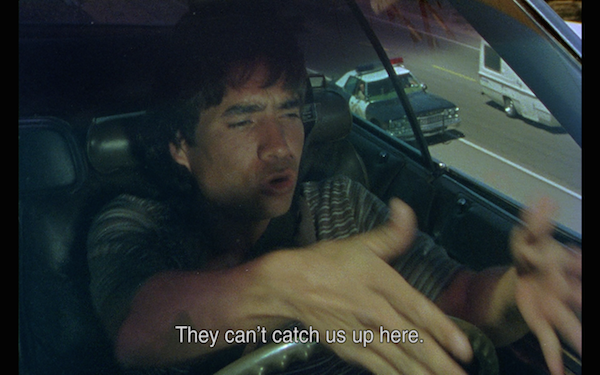
Joe and Roberto, above the law.
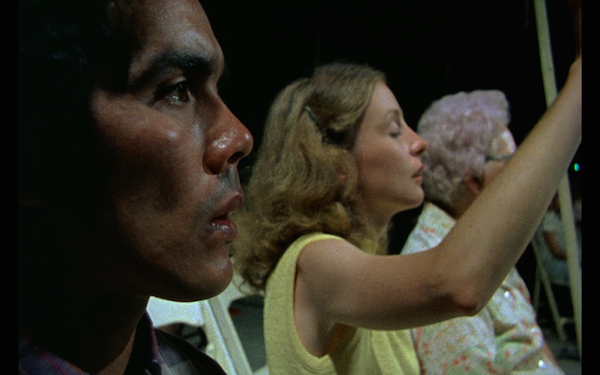
Roberto hearing the preacher.

Roberto
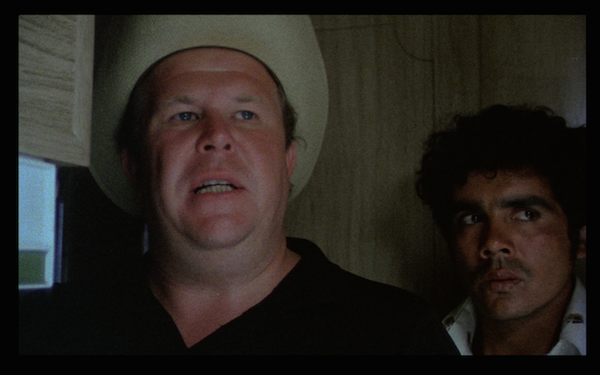
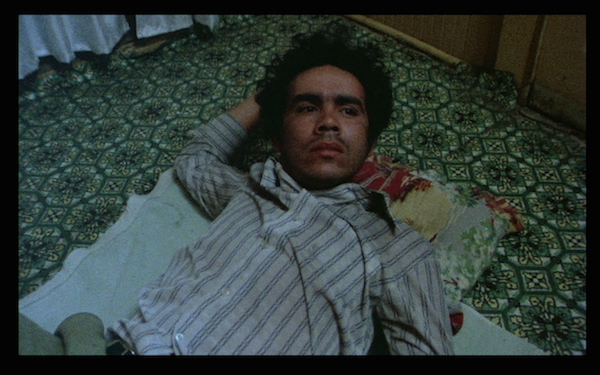
Roberto at waitress’ house.
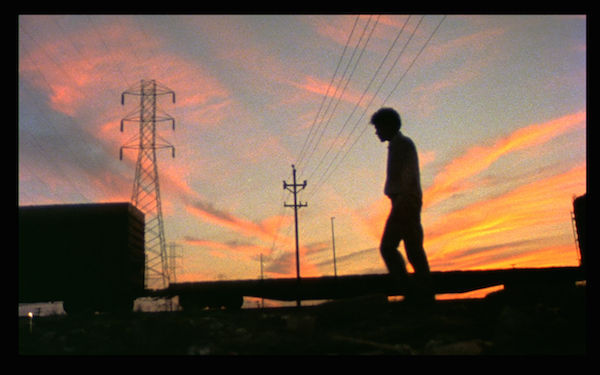
Roberto at sunset
Where to Find Us:
Mark Hurne: Twitter | Letterboxd
Aaron West: Twitter | Blog | Letterboxd
Criterion Close-Up: Facebook | Twitter | Email
Introducing Criterion Short Cuts
Why have one podcast when you can have two? We are announcing a second cast, Criterion Short Cuts. Okay, in reality it is still the same cast and will be on the same feed as Criterion Close-Up, which you can subscribe to at the links below. We will have a different numbering system, and these will be Short Cuts, literally. We will still watch the films, take notes, flesh out the themes and deconstruct the content, while also evaluating it as a piece of art and a Criterion release. The only difference with Short Cuts is we expect to do this within 20-30 minutes, focusing on one film at a time without a sub-topic. As we’ve found with our main cast, we will inevitably get caught up in a good conversation and go longer on occasion, but we will do our best to be concise.
Eventually we may have a separate page for Short Cuts, but for now we’ll list them over at the Podcast page, one-by-one as we record them.
Conveniently, (or maybe inconveniently) we had our first major technical glitch with the House & The Shining episode. I feel the episode still stands on its own, and I really appreciate Keith Silva and the conversation about The Shining. This new series might be a good excuse to have a “do over.” We’re going to try to lure Keith back with beer and other delights, and hopefully we can recapture that lightning. Short Cuts is a way to do that.
We will have guests. The constant will be me, Aaron, although occasionally Mark will join when he can. I already have guests lined up for other episodes. Fortunately our cast has had no shortage of people wanting to guest. There will be situations where I’ll have a title lined up and nobody is prepared, and on that occasion I will be prepared to go forward with a solo cast. That will be weird, but I think it is possible. I’m planning to do so for Alambrista!, which may or may not be the first episode.
We also are planning on doing Night and the City, A Master Builder, Videodrome, Monterey Pop maybe Godard’s Weekend, and plenty of other titles. For those who follow this blog and see my yearly lists, you may have noticed that I like to prepare for those lists by watching the respective Criterion releases. That will guide some of this project, as will trying to keep caught up on new releases. It also gives us flexibility to do an easy cast without having to do a big main episode.
More content is better, right? I am enthused about this new sub-project and I think it will be a worthy supplement to our main cast, which I feel is still improving as we go — provided we can keep the Gremlins away.
CCU 10: House/Hausu (1977) & The Shining

Aaron, Mark and Keith Silva talk about the Japanese cult, off-the-wall horror film House. This is a film that has to be seen and can hardly be described. We follow it up with a discussion of Stanley Kubrick’s The Shining, which we feel is the benchmark when it comes to haunted house films. Unfortunately we had some technical issues and lost a good bit of the House segment, but plan to re-record soon.
Or listen here to it here:
For other apps or mobile devices, try this link.
Or direct download/listen to the MP3.
Show notes:
Special Guest: Keith Silva from Interested in Sophisticated Fun and Psycho Drive-In. You can find him on Twitter.
Outline:
0:00 – Message from Aaron about Technical Difficulties
1:40 – Intro, Welcome to Keith
15:00 – Housekeeping, Show Announcements including new splinter show.
19:20 – News
35:05 – House (abbreviated, tech issues)
44:35 – The Shining
Intro
Shout out to Criterion Confessions.
Thanks to David for Moonrise Kingdom episode!
Tweet about Wes Anderson’s new project from Peter Putzel.
Housekeeping
Updated Facebook Page. Please like it!
New Mini-Episodes coming soon. Criterion Short Cuts!
News
Chantal Akerman Tributes:
Flixwise Episode about Jeanne Dielman.
Whit Stillman tweet about Barcelona.
Costco:
No more replacement title cases on the Criterion site.
House
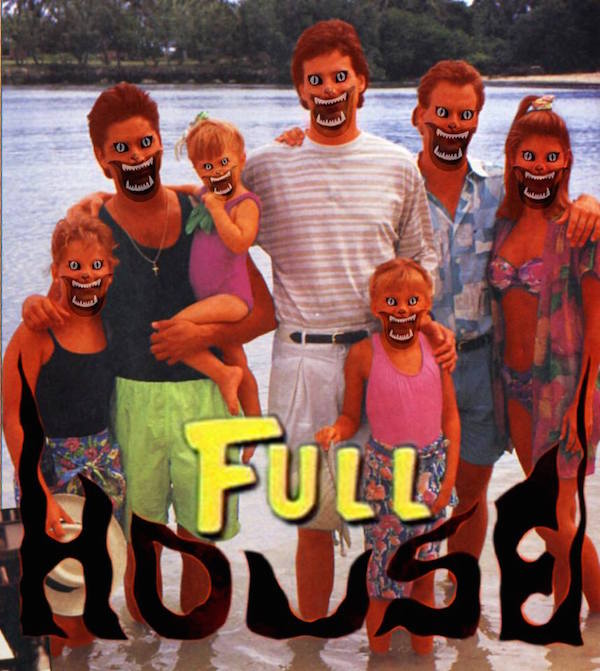
Full Hausu courtesy of Criterion
The Shining
Where to Find Us:
Mark Hurne: Twitter | Letterboxd
Aaron West: Twitter | Blog | Letterboxd
Criterion Close-Up: Facebook | Twitter | Email
Episode 9: Moonrise Kingdom & The Wes Anderson Debate

Aaron, Mark and David Blakeslee talk about Moonrise Kingdom, which ties closely to personal events in David’s life that he was generous to share with us. We also discuss the dichotomy of Wes Anderson. Why is he such a divisive director? What is it about him that attracts and repels people with such passion?
Or listen here to it here:
For other apps or mobile devices, try this link.
Or direct download/listen to the MP3.
Show notes:
Special Guest: David Blakeslee from Criterion Reflections, CriterionCast, and The Eclipse Viewer. You can find him on Twitter.
Outline:
0:00 – Intro, Welcome, Shout-Outs
17:50 – News
27:30 – Moonrise Kingdom
1:26:15 – The Wes Anderson Debate
Intro
David and Mark on Pierrot le fou
David and Mark on Red Beard
David and Aaron on Violence at Noon
David’s infamous Criterion shelf image that went viral.
News
Barnes and Noble Sale – potential confirmation
Welcome to Criterion’s Online Cinematheque
Moonrise Kingdom
David’s Moonrise Kingdom video for Brandon and Katie.

David’s Moonrise KIngdom swag.
Where to Find Us:
Mark Hurne: Twitter | Letterboxd
Aaron West: Twitter | Blog | Letterboxd
Criterion Close-Up: Twitter | Email
State of Siege, 1972, Costa-Gavras

Would it be safe to call Costa-Gavras an advocate filmmaker? That’s a tough question, which I am not sure whether I or even he could answer. He was unquestionably a political filmmaker, and he dabbled in subjects that were often controversial. If he was not angering the communists from The Confession (my review), he was angering the CIA by taking unveiling the blemishes of the Cold War. He certainly had his political views, and those did take shape in his films. We learn from the supplements of this disc specifically where he found the motivation to make this film, and it was not based on a positive impression of Americans.

The subject of State of Siege is the activities of CIA-like organizations that were being undertaken in various South American territories. The plot is about an American, Philip Michael Santore (Yves Montand) who worked for USAID as a “Communications Expert.” I used quotes for his job title because we’re not sure exactly what he did during his various travels. Was he a benefactor or was he a terrorist? That answer is not provided, although it is strongly hinted that he was at least aware of the latter activities, if not a direct participant.
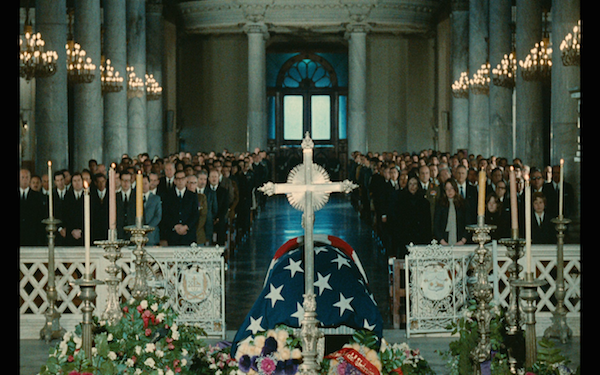
I am about to reveal a major plot point, but not to worry. It is not a spoiler, at least unless you consider the beginning of Sunset Blvd a spoiler. Our operative friend, Mr. Santore dies at the beginning of the film in Montevideo, Uruguay. The film begins with a shot of a shiny Cadillac followed by a series of roadblocks and an exhaustive search by the authorities. We do not know what they are searching for initially, but minutes later when they discover a carcass in a car, we know. Soon after the discovery, we see a highly ceremonial funeral, with an American flag draped over the casket. We get the impression that something is awry because the archbishop and academics are not present, yet the funeral is well attended, implying that this was the passing of an important, political person.

Is Mr. Santore a good person? That’s another tough question. He comes off sympathetically, some of which has to do with the ever-likeable performance by Yves Montand, who was also a popular political figure at the time. As the film flashes back to the kidnapping and interrogations, we wonder which is the truly righteous, Santore or his kidnappers? He is accused of, at the very least, knowing of torture, and at worst, guilty of perpetrating war crimes. Yet he is part of a system. If he was guilty, was he simply doing his job? That does not mean that he deserves to be kidnapped and killed. His captors also are sympathetic. We learn through Santore’s observations that they do not intend or want to kill him. They are merely fighting a battle with limited weapons. We are not spoon-fed who to like or root for. One could make an argument that the kidnappers and kidnapped are both right to some respect, and simply pawns in a chess game between people far more powerful. The real evil could be the state that infringes on the rights of the people, or those who choose to not compromise and therefore through inaction lead to the creation of a martyr.
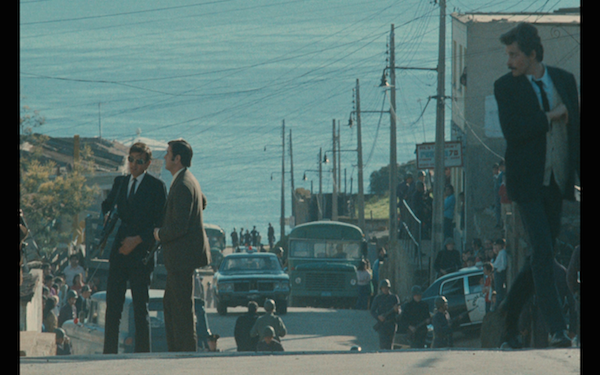
What is clear is that Costa-Gavras was aware of the goings on in Latin America and elsewhere. With the benefit of hindsight, even the citizens of the USA can agree that this was a dark period of history and we do not condone the actions of the government. Even then, the average Joe was not aware of what operatives were doing overseas, either to protect American commercial interest, or as a product of Cold War rhetoric. Costa-Gavras is unquestionably critical of these puppeteers, but he is also critical of those who infringe on the liberties of others. By using some excellent location shots, he shows how the police force is both ruthless and inept. In some instance they are bumbling, such as in a humorous scene where the police chase after radios that are broadcasting propaganda, only to find the sound coming from a different radio. This is one of the few moments of levity, and it comes at the expense of the “Keystone” cops.
State of Siege is sparse on action and aside from these large location shots, often uses minimalist filmmaking methods. Like with The Confession, the real drama comes from the conflict between the revolutionaries and their captor. There is no suspense as to what the outcome of this encounter will be, but what keeps us enthralled is through the character examination, and whether he is being honest about his innocence or whether he is a liar. The flashbacks and the pinpoint questioning lets us know that the captors know plenty more than they let on, but are they right about Santore or is he yet another innocent casualty in the continual Cold War? We aren’t told, and this is yet another reason why Costa-Gavras was considered the master of the political thriller. He makes scathing political statements, but he creates complicated characters and blurs the lines between good and evil.

State of Siege is not a perfect film. I had some quibbles. One that jumped out at me is that they used similar airport greeting scenes as a way of showing how Santore traveled the world, but the only difference between many of these stops is the country name on the staircase that rolls up to the plane. It is obvious that the same location was used, probably over a short period of time, and they simple changed the angle and the sign. There are other minor issues, but there is more here to like than dislike. Even if it is not the perfect film, it seems to capture the spirit of CIA activities in Latin America and elsewhere from the perspective of the people who experienced it. This makes it an important film, even if not a great one.
Film Rating: 7.0
Supplements
Costa-Gavras and Peter Cowie: 2015 conversation.
The idea originated with an American advisor that CG was aware of in Greece. This was a tough guy, probably the stereotypical CIA spy. He was the real deal and was killed in his car later.
Based on Dan A. Mitrione, who was part of AID, which was a sister or daughter program to CIA. Mostly the story of the subject was the same, but the name was changed.
You can tell he is a true student of politics and governments as he cites various countries and how they came undone by their violent nature. He is referring more to Nazi Germany or Stalinist Russia, but he is perhaps making a gesture towards America’s checkered past and present.
NBC News Broadcasts on Dan A. Mitrione:
This seven-minute montage of news footage shows the real story, but from the American perspective. The anchor talks about the kidnapping, the search, the ultimatum, and most of what we see in the film. Even though it is clearly biased towards Americans and wanting the citizen freed, it also states that the Tupamaros were seen as Robin Hoods that were not violent, but that impression was changing with this incident. Costa-Gavras seems to capture that as well, that they do not intend to be violent, but only resort to it out of necessity.
The supplements are slim and this fits better as a supplement to The Confession. Even though it isn’t the most stacked disc, it is well worth getting for the film and the transfer.
Criterion Rating: 7.5
Episode 8: Hiroshima Mon Amour & Romance Across Borders

Aaron, Mark and Martin go in-depth as they explore romance in Alain Resnais’ debut film, Hiroshima Mon Amour. We look at how the sensuality and romance speaks to the tragic events and horrors of the atomic age, while they explore each other’s cultures through a brief relationship.
Or listen here to it here:
For other apps or mobile devices, try this link.
Or direct download/listen to the MP3.
Show notes:
Special Guest: Martin Kessler from Flixwise. You can find him on IMDB, Twitter and Letterboxd.
Outline:
0:00 – Intro, Shout-Outs, Letterboxd Discussion.
9:55 – News
20:20 – Hiroshima Mon Amour Discussion
1:11:05 – Romance Across Borders
Intro:
Letterboxd lists:
The Criterion Collection (thanks Arik!)
The Eclipse Series (thanks Arik!)
1001 Movies to See Before You Die
AFI 100 Movies, 10th Anniversary
Oxford History of World Cinema
News:
Rome: Open City Coming to iTunes.
Paul Thomas Anderson’s newest will debut on @mubi after its New York Film Festival premiere.
Carlotta Films Box Set for Rivette’s OUT1.
The Sonic Landscapes of The Man Who Fell to Earth.
Hiroshima Mon Amour:
Hiroshima Mon Amour
Where to Find Us:
Mark Hurne: Twitter | Letterboxd
Aaron West: Twitter | Blog | Letterboxd
Criterion Close-Up: Twitter | Email
My Beautiful Laundrette, 1985, Stephen Frears

There have been numerous post-colonial portraits of the United Kingdom, most of which deal with the new class system and how they adapt to this transformed society. Generally when portrayed from the lower class perspective, the story is about having to deal with past and continued oppression, and that they try to subsist when others are born in a more privileged position. In My Beautiful Laundrette, this type of story is turned on its head. The lower class immigrants have come so far since colonialism that they have not only assimilated into this society, but they have essentially become a version of this new, upper class. Rather than be exploited, they find the opportunity to be the exploiter.
Another major factor was Thatcherism (Margaret Thatcher for those not aware). Thatcher ‘s policies benefited and encouraged the upper classes, while neglecting the lower classes. Frears was clearly not a Thatcher fan, and he used minorities obtaining a privileged position as a way of being critical. He stopped short of being racist. In fact, I think the opposite was true, and he presented a balanced and perhaps realistic perspective of the situation. Under Thatcherism, minorities were able to get the upper hand on lower class whites. However, they were still not entrenched as the upper classes. One of the less scrupulous rich minorities at one point says, “we are nothing in England without money.” Through Thatcher’s capitalist policies, it is greed that defines position.
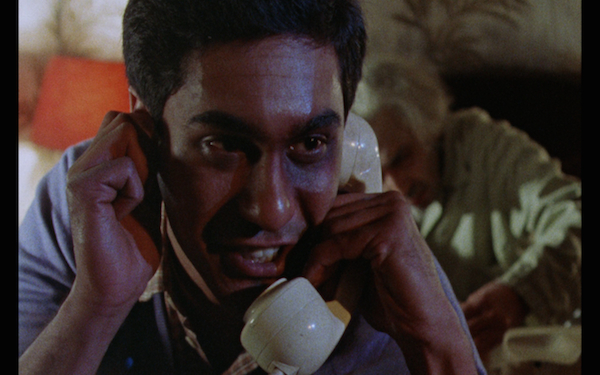
Omar (Gordon Warnecke) is the protagonist, and he sees both sides. He lives both in the white lower-class world through his interactions with Johnny (Daniel Day-Lewis) and with the privileged minority status of his rich uncles. He is also exposed to a staunchly anti-Thatcher father, whose political views resemble socialism more than any other. All of these forces tug at Omar, which makes him a captivating and well-developed main character.

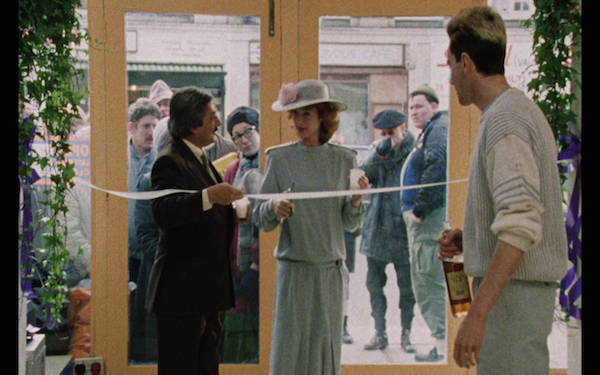
Omar finds a Laundromat as a means to his success, and like his rich uncles, he embraces the thirst for money through a strong work ethic and a relentless desire to succeed. Once given the opportunity to manage the Laundromat, he pours everything into this project. What complicates the class-conflict dynamic is that he recruits Johnny as an employee. Johnny is a reformed skinhead and is decidedly anti-Thatcher. He is not racist, but his former “blokes” are. It is telling that the original Laundromat name was “Churchill’s Laundrette,” which Omar and his uncles later change.
One of the rich uncles says that, under Thatcherism, “in this country you can get anything you want. It is all spread out and available. That is why I believe in England. But you need to know how to squeeze the tits of the system.” This is a strange sort of loyalty to a country. It speaks little to their nationalistic pride. To the contrary, they still maintain some of their ethnic identity. It is more a statement that they will use the system to enhance their position, and that includes exploiting the lower class whites like Johnny. They are even proud of that exploitation. Even Omar succumbs to that sensation at one point, finding himself in a socially juxtaposed than what existed 30-40 years prior, and feeling a form of euphoria. It is intoxicating, and that is exactly the type of lure that his father warns against.

Omar and Johnny have a homosexual tryst, which was controversial back in 1985, although is more accepted nowadays. The fact that the two would pair says something about this dynamic. We have a strong main character in Omar who has been raised under two opposing ideologies, and Johnny, who relates more to the leftist of those influences and literally hates the right-wing element. Out of friendship and perhaps his desire for Omar, he does a good job helping develop the Laundromat, and in turn becomes an exploited worker. This conflict would come back into play to great effect in later, climactic scenes.
Writing this today, Daniel Day-Lewis is one of the top global movie stars, and many would argue that he is the best actor of his generation. He was stunning in Laundrette. One thing to keep in mind while watching his performance is that the person is far from lower class, yet he embodies the character with chameleonesque ability, a trait that would seem natural to him in the years and decades to come. The performances are all solid, especially Gordon Warnecke as Omar. Day-Lewis still manages to steal every scene he is in, and it is no surprise that this role would be a breakthrough and lead to plenty of success, although with his talent. It would have happened anyway. Johnny also represents an opposed ideology from Omar. Even though he does fine with the Laundromat, work ethic is not a means to success. He has different ideas about how to achieve wealth, which is crystal clear when he says, “This city is chalk full of money. When I used to want money, I’d steal it.”
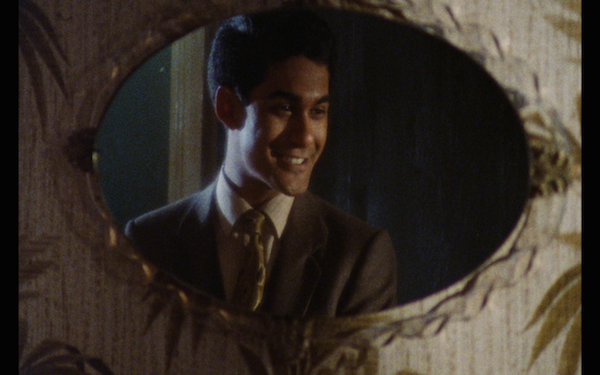
Mirror shot.
This was my second viewing of the film, and the first in many years. I’ve seen other Frears’ projects and respect him as a director, although I would not go so far as to call him an auteur. I was pleasantly surprised by some of the shot selection and direction in this film. He makes good use of camera angles and even has a lot of mirror shots, all of which are important because many of the characters have multi-faceted experiences and perspectives, and I did not even touch on an adulterous Pakistani-English adulterous relationship that speaks more about the relationship between the two cultures as anything else in this film. I was also surprised to see such a rich and textured perspective of class dynamics, which is easier to pick up on in hindsight than it was in the 1980s. Not only is My Beautiful Laundrette a superb film, but it is a document of its time.
Film Rating: 8/10
Supplements
Stephen Frears: 2015 conversation with producer Colin MacCabe
He was a middle-aged, working TV director while Thatcher was in power. Lindsay Anderson, Jack Clayton, Ken Loach, inspired the change in UK film (we discussed some of this here), and he worked at the BBC in the 1970s.
Thatcher changed the world for everyone, including for them in TV production. Channel 4 came around, which was mandated by Thatcher. Laundrette was intended to be a TV movie. Hanif Kureishi showed up at his office and explained the script.
He mentions the names of the actors that he considered, all of which are famous now, such as Branaugh, Oldman, etc. Nobody thought Day-Lewis would become a star, but it really happened by him playing this working class character and following it with A Room With a View. Of course Frears says he was very good.
He denies auterism. “How can I be an auteur if making a film about a culture I don’t understand?”
Hanif Kureishi: 2015 interview.
The story is about a boy and a father spending too much time with each other, which reflects Kureishi’s life. This was a traditional story with an uncle leading a youngster out into the world, and he becomes sexualized by this experience.
Kureishi wanted to show the abuses of racism, which he had experienced before, but he also wanted to find his own voice. He called A Passage to India and the Merchant-Ivory films as boring, while Thatcher was destroying the working class.
He was influenced by Derek Jarman, Peter Greenaway, and also Paris, Texas, especially the mirror.
Tim Bevan and Sarah Radclyffe: First feature production of theirs and they founded Working Title. 2015 interviews.
This came at an interesting point in cinema. Channel 4 had started, so independent film began. Music videos were getting popular, which got young people into the industry. Thatcherism also got rid of the unions.
They started as music video company, and to get to know directors, they asked these directors to do music videos.
They talk about how Hans Zimmer did good work and was recognized in Hollywood from this and another movie they did, A World Apart and was hired to do Rain Main, which basically launched his Hollywood career.
They went from film to film, and were focused on that more than running a company. They were basically unorganized and insolvent. They were not paying any bills, just flying by the seat of their pants. They found funding and that established the company as it is today.
Oliver Stapleton: 2015 Criterion interview.
This was cinematographer Stapleton’s first collaboration with Frears and they would go on to make seven more films.
His shooting style at the time was very early eighties, wide lenses, vibrant colors, and very much like music videos. That was in frame of mind when starting his career. He had worked with Julien Temple as well.
When he sees it today, he sees it as very stylized, more than what he did ten years later. He no longer uses the type of extravagant colors that he did then, for example. He was following his instincts, which Stephen was doing as well. They didn’t storyboard, but let the action dictate wheat they would do.
Criterion Rating: 8.5


 Criterion Close-Up