Category Archives: Criterions

Episode 6: 12 Angry Men (1957) and Single Location Films

Or listen here to it here:
For other apps or mobile devices, try this link.
Or direct download/listen to the MP3.
Aaron, Mark and Doug explore innocent, guilt, and civic duty by discussing Sidney Lumet’s 12 Angry Men. We also discuss other films that are shot primarily at one location, why these films are often good, and what ingredients are required for a quality film in a single location.
Show Outline:
0:00 – Intro, Welcome, Thanks.
22:00 – Preview of December Releases
31:50 – 12 Angry Men Discussion
1:15:25 – Single Shot Discussion
Show notes:
Special Guest: Doug from Good Times, Great Movies. Twitter | iTunes.
NEWS
Monkees’ Complete TV Series, ‘Head’ Coming to Blu-ray
DVD Beaver Dressed to Kill review.
Toronto International Film Festival
Steve Jobs
Michael Fassbender article.
12 ANGRY MEN
Where to Find Us:
Mark Hurne: Twitter | Letterboxd
Aaron West: Twitter | Blog | Letterboxd
Criterion Close-Up: Twitter | Email
Yi Yi, 2000, Edward Yang

This was originally posted at Wonders in the Dark as part of their Adolescence and Childhood Countdown.
The term “family epic” is not often used to describe a film, not even an art film (at least not post-Ozu). There are plenty of lengthy films about families, but few that are grandiose to share a descriptor with the likes of Lawrence of Arabia. Yi Yi is indeed a family epic film. This is not just because it has a three-hour running time, but rather because it successfully captures the scale of a multi-generation family. Instead of telling a lengthy narrative through the generations, it reveals enough about the characters in the present, by exploring them through a single, binding experience, that it is just as effective.
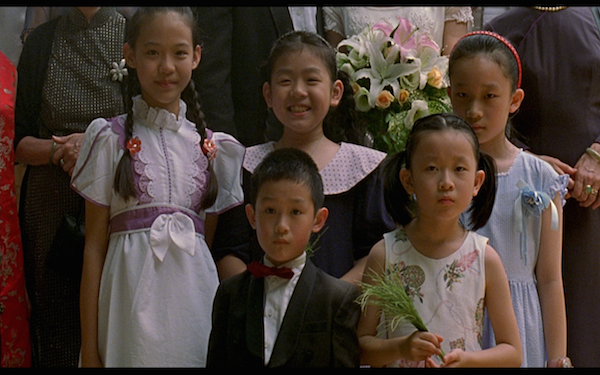
I chose Yi Yi as my top film for the Wonders of the Dark Childhood and Adolescence poll. This choice may seem peculiar because the film features so many characters from the family, most of whom are adults, that the children are not given the most screen time. In fact, if you were to pick a protagonist, it would probably be NJ, the father figure. However, the children’s experiences mirror and elucidate the actions of the adults, and they flesh out the characters. The children, through their innocence and naivety, also interpreted the events with a perspective that the adults are incapable of, and sometimes their silly inquiries are prescient.
Yang-Yang asks his father, “Daddy, can we only know half the truth? I can only see what’s in front and not what’s behind.” This may seem like a simple, naive question, but it speaks to how humans tend to only look forwards and not backwards. The adults in the film are reticent to look backward, yet the children experience things that the adults have also experienced. In other words that Yang-Yang might understand, if the adults could see what is in front of the children, they might see what is behind their own view.
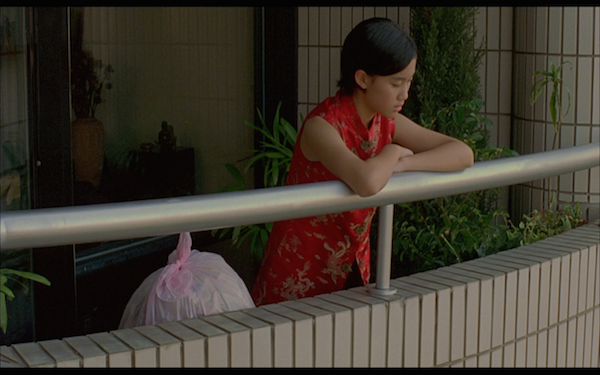
NJ is completely blind to the fact that his daughter, Ting-Ting, is struggling through her own relationship problems, trying to win the affections of someone she has a crush on. The outcome of that relationship (which I will not spoil in this review) is similar to what happened with NJ and a girl that he dated when he was much younger. We see through Ting-Ting what NJ’s childhood girlfriend felt, and when she enters his life again later, NJ is again blinded by the past.
Yang-Yang takes his idea of being half blind further. He takes photographs of the back of people’s heads, thinking that he is helping them by showing them the whole truth. When he encounters one lady that he can tell is sad, he stares at her. When questioned, he says, “I wanted to know why she’s unhappy. I couldn’t see from behind.” To the viewer, Yang-Yang’s curiosity is a part of his cuteness. He is an adorable little boy, and this is one of those funny fixations that children can get. It is humorous to see what length children will go to understand the world they are growing into.
While it is easy for Yang-Yang to be curious, it is difficult for the adults to look back and come to terms with mistakes they have made, much less try to rectify them. One character takes a journey to try to make up for his actions decades ago, the same issues that his daughter is experiencing at that very moment, but this is an exercise in futility. This is yet another example of how he can only see half the truth, and if he goes trying to find the real truth, it is not something he can change or undo. It truly is behind him. The only thing he can change is what he can see.
Edward Yang was quite the filmmaker, and he made a deep and beautiful film. There are many other characters, motifs, and elements that I could explore – such as the nature of business, luck, integrity – but at the heart of it all is family. Yang takes these experiences, personality quirks, and cuts them together so that we can see the correlations. While there are similarities within the families, everyone is different and must make their own decisions. The question is whether they will learn from or regret those decisions.

Yang does a good job at taking his time and pausing when needed. Some of my favorite scenes are when no action takes place, but instead there is quiet contemplation, usually with some music and gorgeous scenery. While there are some somber moments, he also shows the good times. Life is full of highs and lows, and we meet people we are compatible with, whether in a romantic relationship or business friendships, but things do not always turn out the way we want.
Yi Yi, simply put, is about the cycle of life. We are curious when young, but will make mistakes as we get older. Hopefully we will learn to live with these mistakes, have some good times along the way, and achieve a sense of peace. Yi Yi is life.
Film Rating: 10/10
Supplements
Commentary: Edward Yang and Tony Rayns in conversation.
Wu, who plays NJ, was a screenwriter that worked with Yang and had not acted, but Yang recognized his talent as an actor. He is a very celebrated and busy writer.
They used the coma was a device to get into each character, but it is scientifically proven that speaking to someone in a coma does achieve some results although the grandmother had one of the deepest and most dangerous comas.
There were a lot of informational tidbits about modern society. For example, they used a subway system news item to date the film; trains were used for nostalgic reasons; the government was well known to be involved with criminals and it was intentional to come out in the film, and the American presence is very obvious in Taiwan. I didn’t write down as many tidbits while watching because it is long, and because I got carried away in the film and the commentary. It was an enjoyable conversation with Rayns asking Yang questions about the film.
Tony Rayns: He talks about the history of Taiwanese film. Started in 1950s because it had been Japanese colony. The nationalist government settled there and used film as propaganda tool. It was used by Chinese to inject their cultural identity.
Even though there were young filmmakers, there was nothing like a New Wave in Taiwan. Hou Hsiao-hsien and Edward Yang collaborated with Taipai Story, and the pair generally led the film movement. Much of their work was intentionally higher quality in opposition of some of the poorly constructed older genre films.
Yang is more intellectual and has complicated plots. His many characters add up to a broader picture. Surprisingly, Yi Yi has not been screened in Taiwan. Most of these minds split up for whatever reason and film business in Taiwan is “effectively dead.” They cannot compete with American films.
Criterion Rating: 8/10
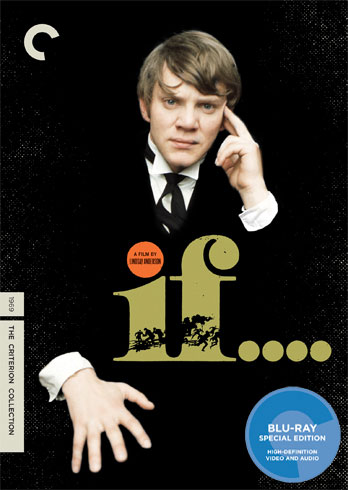
Episode 5: If …. & Angry Young Men
Or listen here to it here:
For other apps or mobile devices, try this link.
Or direct download/listen to the MP3.
SHOW NOTES
OUTLINE:
0:00 – Introduction, Corrections, News.
25:05 – If…. (Lindsay Anderson, 1968)
1:04:33 – Angry Young Men
THANK YOU
CORRECTION
NEWS
The Bergman film that influenced Wes Craven
IFC Films Acquires Wim Wenders’ 3D Drama ‘Every Thing Will Be Fine’
Blu-Ray.com Dressed to Kill review
IF ….
Where to find us:
Mark Hurne: Twitter
Aaron West: Twitter | Blog
Criterion Close-Up: Twitter | Email
Episode 4: Day for Night and François Truffaut 1968-1975

Or listen here to it here:
For other apps or mobile devices, try this link.
Or direct download/listen to the MP3.
Show Notes
Episode Outline:
0:00 – Welcome, Introduction, Corrections.
12:15 – News
34:25 – Day for Night
1:19:05 – François Truffaut 1968-1975
My Life as a Dog review
My Life as a Troll – My take on the trolling
On Spoilers and Trolls – MoviesSilently came to my defense.
Corrections
How I Won the War
Badlands
Black Girl and A Touch of Zen at NYFF
The Last Temptation of Christ – Pop Culture Pundit
News
Latest Wacky Drawing – Gilda? Red Beard? Hedwig?
Documentary Now: Kunuk Uncovered
Zatoichi – one day sale at Amazon. The sale was last week, and is now back to regular price.
Day for Night
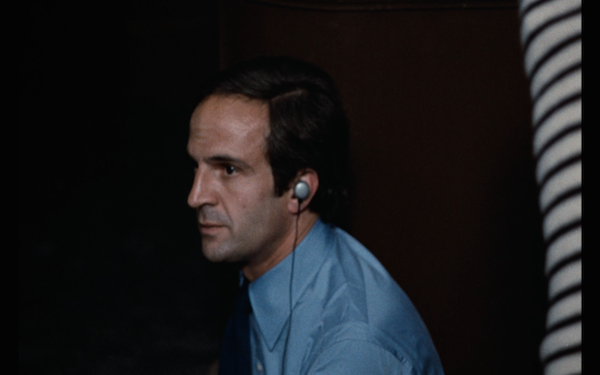
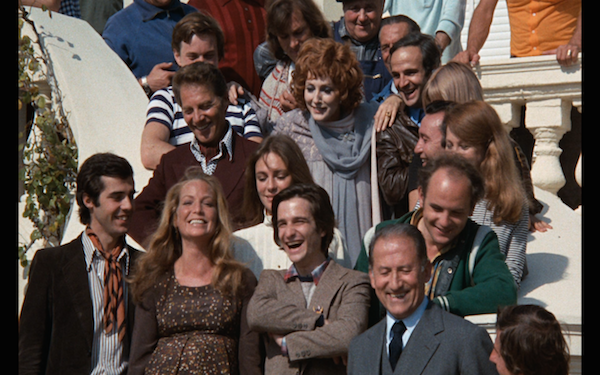
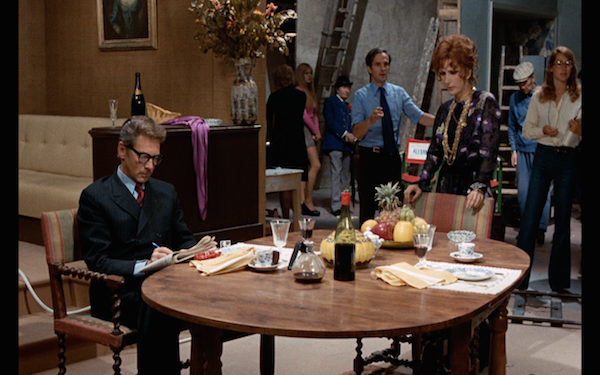
François Truffaut – 1968-1975
Where to find us:
Mark Hurne: Twitter
Aaron West: Twitter | Blog
Criterion Close-Up: Twitter | Email
Stromboli, 1950, Roberto Rosselini


It is fitting that I am writing this post to celebrate Ingrid Bergman’s 100th birthday for the Wonderful World of Cinema’s Ingrid Bergman Blogathon. I haven’t counted the Ingrid Bergman films I’ve seen. Perhaps it is a dozen, perhaps two, but few portray her anywhere close to the strong, resilient female character as she is in Stromboli. There are many other co-stars, including two prominent male characters, but this is undoubtedly Ingrid’s film. Not only does she represent a strong woman, but she comes to representing all strong women and the battles they must fight in a male-dominated world. In this regard, I see Stromboli as a staunchly feminist statement, which is ironic given that it is the first collaboration between her and future husband, Roberto Rosselini.
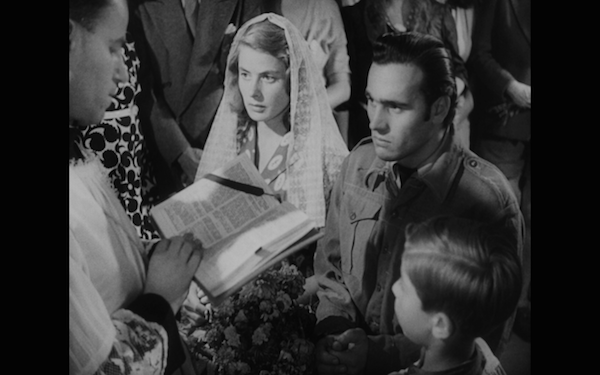
Bergman plays Karen, who we initially meet in a prisoner camp. One of the first actions she takes is to marry an Italian in order to escape the camp. Was this a marriage borne of love? Quite the contrary. It was a marriage for self-preservation and survival. In the wedding scene, the sense of apprehension is clear. Even in the above image, we can see the husband looking stern, and the wife looking distracted by her thoughts, looking off to the side. She is not marrying out of love and is nervous of this new direction in her life, but it is something that has to be done in order for her to persevere.
Her husband, Antonio (Mario Vitale), comes from the island of Stromboli off the coast of Sicily. He promises her paradise in exchange for her hand in marriage. What she finds upon her arrival is anything but. She is subjected to a barren, empty life. She finds that many of those who live in island have left for America or elsewhere, but many have come back. When asked why she returned from America, Antonio’s mother answers, “this is my home.” Karen’s home is in Lithuania, far from the Sicilian shores. This place is unquestionably not her home, nor does she want it to be.
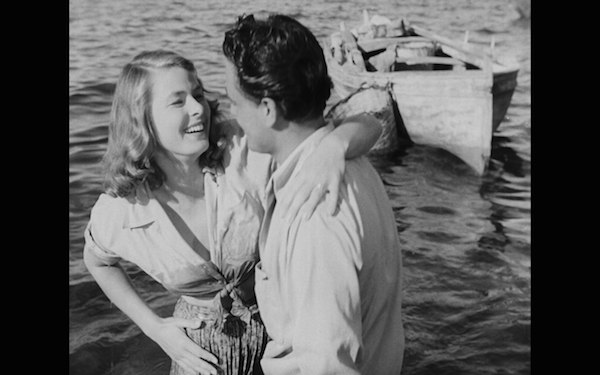
Much of the film consists of Karen walking around the island, exploring not only her surroundings, but also herself. Bergman, always a fantastic actress, does a tremendous job at emoting even when she is not speaking. Her face betrays her anguish and inner torment as she quickly finds herself in despair, practically alone in this island. The only instance that lifts her spirits is when she encounters another man, who is almost the opposite of her husband. She beams and smiles in his presence. It is not clear whether she has romantic intentions with this stranger, but this man is a far better match than her husband. Regardless of whether her intentions are pure, the locals indict and reject her, as does her husband.
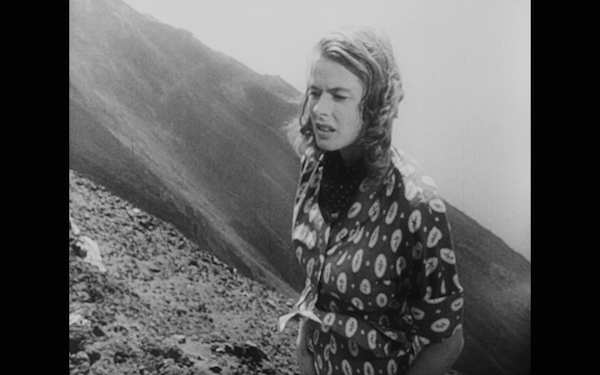
Please be warned that after these two images that contrast Karen’t anguish and happiness, there are minor spoilers and I will discuss the ending.

The violent nature of the island and its inhabitants is communicated through the way people interact with the elements. The locals see the local animals as their prey, and they treat them with cruelty. There is one difficult scene for animal lovers with a rabbit, which horrifies Karen. The men have to fish to live, and in fact, Antonio and Karen’s livelihood depends on his being successful with his fishing ventures. What follows, which Karen witnesses, is a violent slaughter of tuna. Both of these are among the most jarring scenes of the film, yet they are also the most effective. This violence also signifies a moment of final realization for Karen. If at first she was just wary and uncomfortable, she is now horrified. These are not her people in any respect.
The volcano is the most violent aspect of the island, and it also parallels the story and Karen’s journey. As she reaches the island and finds herself not fitting in, you could say that she is disturbed and rumbling. After she sees the slaughter of the fish and rabbit, the rumbling becomes an eruption of the volcano, but it is also Karen’t eruption. She does not act up, and she does not need to. The volcano scares the locals, who try to escape it by evacuating on boats.

Karen is not stirred by the volcano, but instead magnetically drawn to it. In a memorable final sequence, she decides to finally rid herself of this horrendous place by bravely climbing to the top of the volcano. It is in this sense that I see Stromboli as a feminist journey. She was oppressed by the world of man twice. The first time was in a actual prison while the second might as well have been a prison. Rather than succumb and subjugate herself to this tyranny, she frees herself by conquering an erupting volcano. This volcano that she defeats represents the world of man. The final sequence with Karen on top of the mountain is magnificence. It represents hope, salvation, not just for Karen, but for women in general.
Film Rating: 9.5
Supplements
Introduction by Roberto Rosselini:
This is a short two-minute introduction. He says it is about someone who survived the war and learned survival instincts, yet finds herself trapped.
Adriano Aprà: 2011 Criterion interview with film critic.
This project was scandalous because Bergman was married and Rosselini had a mate (Anna Magnani). A love affair began and they were invaded by tabloids and journalists. It was also a scandal that he “stole” an American star to make an art film. The film stands apart from the gossip that surrounded it.
What’ I found interesting is that she didn’t care for the films she did with Rosselini, and only liked one of her collaborations (Joan of Arc at the Stake). We find out later from her memoirs that she was surprised when they were re-discovered.
Rosselini Under the Volcano: 1998 documentary.
These are the types of features that I adore. They revisit the island all these years later to see what is left. They show the volcano erupting. Back when the film was shot, the volcano erupted continuously, every seven minutes on the dot.

They interview the little boy that Bergman speaks to, of course now fully grown and having aged a bit. The two male leads meet. Mario talks about having to have the English words written for him phonetically because he did not speak a word.
A sad story from the production is that one person passed away during the production. A general helped lead them to the top of the mountain, but inhaled some poisonous gas along the way and had to be taken down to the base. He later died.
Criterion Rating: 8.5/10
Criterion Blogathon: Blogs & Topics
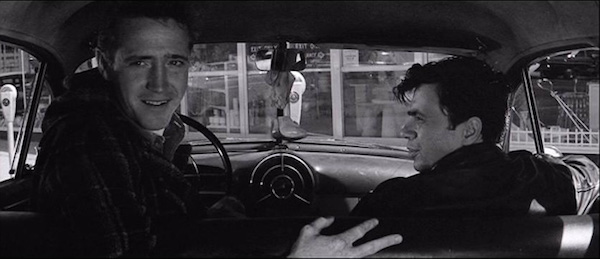
The initial surge has slowed down, but we still have an impressive 121 topics claimed for our Blogathon, and that number is surely to grow. We’ve been asked often whether people got their first choices, and here is the official unveiling. Most people did get their first choice, and I think that’s because many checked out the First Round page. Thank you for that!
This same info is being pasted at the official Blogathon HQ and this page will not be updated with new submissions, but the other one will.
One thing we noticed is a lot of USA films. We get it, but we think that will probably change now that the biggest American films are claimed. The UK, France and Japan also have a good number of entries.
Kudos to the brave souls that claimed box sets or essays. A lot of these topics look like grad papers, which is terrific. Just because these are going to require the most work, we are going to have them posted on the last day.
We will divide the rest of the days mostly by country and era, and we’ll post a full schedule along with publish dates down the road.
Did we mention prizes? We will be offering some for each day. We are still working on an objective and fair way to judge the winners, but with such a large volume of entries, please be understanding and respectful. By that same token, we hope you will do your best and post quality content.
BOX SETS
Criterion Blues – The Apu Trilogy
The Wonderful World of Cinema – Three Wicked Melodramas
// Lillybelle Production – The Lower Depths (both)
Wrong Reel – 3 Silent Classics by Josef von Sternberg
John Likes Movies – Warped World of Kureyoshi Kurahara
The Howard Bannister Report – Sabu in the Criterion Collection
ESSAYS
Jahnke’s Electric Theatre – Criterion and Animation
L’Amour Fou and Movies, Too! – Jacques Demy
Make Mine Criterion! – (My) Top Ten List
Wolffian Classic Movies Digest – Thief of Bagdad Arabian Fantasies
The Joy and Agony of Movies – Nicolas Roeg
The Criterion Completion – Collecting Criterion
Threedonia – Christian Faith in Classic European Cinema
365 Days 365 Classics – The Indian ethos in Satyajit Ray’s Apu Trilogy
365 Days 365 Classics – Women in Satyajit Ray’s Cinema
Cinema Cities – Classic Film Noir in the Criterion Collection
Scream Blu Fans! – Criterion and Horror
TITLES BY COUNTRY
CANADA
To be Confirmed – Videodrome (1983)
Cinema Versus – The Brood (1979)
Midnight Only – Belle du jour (1967)
CZECH
Life In Cinema – Marketa Lazarova (1967)
DENMARK
In The Good Old Days Of Classic Hollywood – Master of the House (1925)
FRANCE
The Stop Button – Diabolique (1955)
Pioneer Pride – Elevator to the Gallows (1957)
Criterion Blues – Rules of the Game (1939)
The Film Tank – Rififi (1955)
CineMaven’s: Essays From the Couch – Quai des Orfevres (1947)
Spitball Army – Les Miserables (1934)
Film Grimoire – The Testament of Orpheus (1960)
The Lady Eve’s Reel Life – La Ronde (1950)
ericapeplin.com – News From Home (1976)
Movie Mania Madness – A Woman is a Woman (1961)
Hope Lies at 24 Frames Per Second – The Soft Skin (1964)
Spellbound by Movies – Judex (1963)
Ferdy on Films – Jour de Fete (1949)
Cameras and Joysticks – Pierrot le Fou (1964)
Cameras and Joysticks – Breathless (1960)
The Cinematic Frontier – Beauty and the Beast (1946)
GERMANY
The Movie Rat – The Tin Drum (1979)
Aperture Reviews – M (1931)
Moon in Gemini – Ali: Fear Eats the Soul (1974)
Smitten Kitten Vintage – Pandora’s Box (1929)
Serendipitous Anachronisms – The Threepenny Opera (1931)
SkeletonPete – Vampyr (1932)
INDIA
Totally Filmi – Charulata
IRAN
Pinnland Empire – Close-up and Taste of Cherry (double feature)
Cinema and other Impossible Pursuits – Close-Up (1990)
Wrong Reel – Taste of Cherry (1997)
ITALY
TheVoid99 – La Dolce Vita (1960)
The Jump Cut at Lime Fiesta – Salo, or 120 Days of Sodom (1975)
unfocusedframes – Umberto D (1952)
JAPAN
Silver Screenings – Ikiru (1952)
Mookes and Gripes – Mr. Thank You (1936)
Destroy All Fanboys! – High and Low (1936)
Seven Doors of Cinema – Jigoku
The Blazing Reel – Tokyo Story (1953)
Caftan Woman – Sanjuro (1962)
Laura’s Miscellaneous Musings – Early Summer (1951)
Critica Retro – Late Spring (1949)
The Terrible Claw Reviews – Godzilla (1954)
RUSSIA
Cinephilia – The Cranes are Flying (1957)
SPAIN
Krell Laboratories – Viridiana (1961)
TAIWAN
Coffee Gone Cold – Yi Yi (2000)
UNITED KINGDOM
Sister Celluloid – Green for Danger (1946)
Blogue cinéastique – The Innocents (1961)
A Shroud of Thoughts – That Hamilton Woman (1941)
Wonders in the Dark – A Room with a View (1985)
Defiant Success – Insignificance (1985)
The Blue Chair – This Sporting Life/If…
Journeys in Darkness and Light – Fish Tank (2009)
GirlsDoFilm – An Angel at my Table (1990)
Mildred’s Fatburgers – Watership Down (1979)
Pop Culture Pundit – Weekend (2011)
The Cinematic Frontier – The Life and Death of Colonel Blimp (1943)
Phantom Empires – The Deceivers (1988)
USA
Speakeasy – In Cold Blood (1967)
Now Voyaging – Ride the Pink Horse (1946)
The Other Critic – 12 Angry Men (1957)
Second Sight Cinema – Lonesome (1928)
Mookes and Gripes – Brief Encounter (1945)
Movie Movie Blog Blog – All That Jazz (1979)
Twenty Four Frames – A Hard Day’s Night (1964)
Aurora’s Gin Joint – My Darling Clementine (1946)
Love Letters to Old Hollywood – Heaven Can Wait (1943)
Movies Silently – Pool Sharks (1915)
Arturo – The Last Temptation of Christ (1988)
B Noir Detour – Pickup on South Street (1953)
Superfluous Film Commentary – Paris, Texas (1984)
Mike’s Take on the Movies – Jubal (1956)
Cinema Gadfly – Make Way for Tomorrow (1937)
Classic Movie Man – The Lady Eve (1941)
Back to Golden Days – Arsenic and Old Lace (1944)
Loud Green Bird – Being John Malkovich (1999)
Wide Screen World – Spartacus (1960)
Cindy Bruchman – Fantastic Mr. Fox (2009)
Old Hollywood Films – Red River (1948)
Cinema Monolith – Ministry of Fear (1944)
In The Good Old Days Of Classic Hollywood – To Be Or Not To Be (1942)
An Ode to Dust – Safety Last! (1923)
Film Ruminations – The Third Man (1949)
In The Good Old Days Of Classic Hollywood – Written on the Wind (1956)
Mildred’s Fatburgers – Shock Corridor (1953)
Hometowns to Hollywood – The Freshman (1925)
Floyd R. Turbo – Paths of Glory (1957)
Interested in Sophisticated Fun? – Two Lane Blacktop (1971)
Dismal Whimsy – The Uninvited (1944)
A Scunner Darkly – The Unbearable Lightness of Being (1988)
F for Films – Notorious (1946)
Criterion Close-Up – Mulholland Drive (2001)
Grand Old Movies – Island of Lost Souls (1932)
The Last Drive-In – Carnival of Souls (1962)
Diary of a Country Pickpocket – The Furies (1950)
Diary of a Country Pickpocket – Stagecoach (1939)
Cinematic Catharsis – Kiss Me Deadly (1955)
Nerdy but Flirty – The Royal Tenenbaums (2001)
Micro-Brewed Reviews – Fiend Without a Face (1958)
In The Good Old Days Of Classic Hollywood – My Man Godfrey (1937)
The Hitless Wonder Movie Blog – The Most Dangerous Game (1932)
Moviefreak.com – The Black Stallion (1979)
Checkpoint Telstar RoboCop (1987)
Cameras and Joysticks – The Game (1997)
Episode 3: November Releases and 2015 Geekfest

In this episode, we delve deep into the Criterion Collection. We discuss the November releases, news, the Blogathon, and then we go into the rabbit hole. We talk extensively about numerous titles that have been “confirmed” that have not been released (we use quotes because nothing is definite) and others that have been rumored based on educated guesses, teases, restorations, and that sort of thing. This is a long episode, probably the longest we’ll ever do, but we wanted to do the topic justice. If you are the kind of person who loves to speculate what titles are coming soon, then this is the episode for you.
Subscribe: iTunes | Stitcher | Soundcloud
Or listen here to it here:
For other apps or mobile devices, try this link.
Or direct download/listen to the MP3.
Episode Outline:
0:00 – Introduction, Blogathon, News
25:00 – November Criterion release discussion
43:00 – Geekfest. “Confirmed” discussion.
1:26:00 – Geekfest. Rumored discussion.
Mark Hurne, Aaron West and Special Guest Trevor Berrett from Mookes and Gripes and The Eclipse Viewer.
Correction: Allan Fish did not contribute directly to The Story of Film as stated on the show. He made suggestions via a friend and provided DVDs to The Story of Children and Film. His name is subsequently in the “thanks” section.
First Round of Blogathon Responses.
Criterion Cast: The Newsstand, November Releases.
A Plea for Criterion Eclipse Sets of the future.
Blu-Ray.com Criterion Collection Thread
Eclipse Viewer 20: A Conversation with Michael Koresky.
Luis García Berlanga phantom page.
Contact info:
feedback@criterionclose-up.com
Twitters:
Trevor Berrett
Mark Hurne
Aaron West
First Round of Blogathon Responses
Edit: Unless you have been notified, you were given your first choice. Full lists with blog links will be posted soon.
Wow! We expected a good turnout, but never did we expect such an overwhelming amount of submissions in the first 24 hours. Scratch that, we still have 5.5 hours to go before we get there.
The below titles have been “claimed.” Some were second choices; most were first. There were two that had both topics claimed and they aren’t listed here. We will reach out to those people individually. If you really want to cover your topic and it is already taken, you can do it in a creative way. For example, one person is doing a Kiarostami double feature and one of the films is Close-Up, but another person claimed the film by itself.
Even though participation is amazing, we want it to continue to grow. We want people to see this as an event, not just a Blogathon. Please spread the word. Grab our banners from the announcement post. Post on your blog that you are participating and invite your friends.
Help us make this a blast of an experience!
Please also note the HQ page to see the latest updates. Eventually all titles and blog links will be posted there.
We also LOVE that there are some creative titles where people are looking not only at films, but larger Criterion pieces. One example is Criterion and Animation. Another is Nicolas Roeg, and there are many more like that and probably more coming. Keep these up and you’ll make us really happy.
TOPICS THAT ARE TAKEN
(My) Top Ten List
3 Silent Classics by Josef von Sternberg
12 Angry Men
A Hard Day’s Night
A Room With A View
A Woman is a Woman
Ali: Fear Eats the Soul
All That Jazz
An Angel at My Table
Arsenic and Old Lace
A Taste of Cherry
A Woman is a Woman
Being John Malkovich
Belle de Jour
Breathless
Brief Encounter
Carnival of Souls
Charulata
Christian Faith in Classic European Cinema
Close-Up
Close-Up & Taste Of Cherry – double feature
Collecting Criterion
Criterion and Animation
Diabolique
Early Summer
Elevator To The Gallows
Fiend Without a Face
Fish Tank
Fritz Lang’s M
Godzilla
Green For Danger
Heaven Can Wait
High and Low
Ikiru
In Cold Blood
Insignificance
Island of Lost Souls
Jacques Demy
Jigoku
Jour de Fete
Jubal
Judex
Kiss Me Deadly
La Dolce Vita
La Ronde
Late Spring
Les Miserables
Lonesome
Make Way for Tomorrow
Marketa Lazarova
Master of the House
Ministry of Fear
Mr. Thank You
Mulholland Drive
My Darling Clementine
My Man Godfrey
News from Home
Nicolas Roeg
Notorious
Pandora’s Box
Paris Texas
Paths of Glory
Pickup on South Street
Pierrot le fou
Pool Sharks (1915) from the WC Fields DVD
Quai des Orfevres
Red River
Ride The Pink Horse
Rififi
RoboCop
Rules of the Game
Sabu in the Criterion Collection
Safety Last!
Salo, or 120 Days of Sodom
Sanjuro
Shock Corridor
Spartacus
Stagecoach
Taste of Cherry
That Hamilton Woman
The Apu Trilogy
The Beastie Boys Video Anthology
The Black Stallion
The Brood
The Cranes are Flying
The Freshman
The Furies
The Game
The Indian Ethos in Satyajit Ray’s Apu Trilogy
The Innocents
The Lady Eve
The Last Temptation of Christ
The Life and Death of Colonel Blimp
The Lower Depths (Renoir & Kurosawa)
The Most Dangerous Game
The Royal Tenenbaums
The Soft Skin
The Sporting Life/If ….
The Testament of Orpheus
The Third Man
The Tin Drum
The Unbearable Lightness of Being
The Uninvited
Thief of Bagdad Arabian Fantasies
Three Penny Opera
Three Wicked Melodramas
To Be Or Not To Be
Tokyo Story
Two Lane Blacktop
Umberto D
Watership Down
Weekend (2011)
Women in Satyajit Ray’s Cinema
Vampyr
Viridiana
Yi Yi
Announcing the Criterion Blogathon

We are pleased to announce the first annual Criterion Blogathon!
The blogathon will take place November November 16th to 21st, and I have the pleasure of co-hosting with two of my favorite bloggers and favorite people: Kristina from Speakeasy and Ruth from Silver Screenings. This is not their first rodeo, as they’ve hosted numerous fantastic Blogathons. Earlier this year they hosted the Great Villain Blogathon and the Beach Party Bash Blogathon. What’s great about these two is that they turn these Blogathons into events, which is what we are planning for November.
Just last year, The Criterion Collection celebrated their 30th anniversary. That’s an amazing accomplishment for a physical media label. They began with laserdiscs, transitioned to DVDs, and now are the top boutique label for Blu-Ray/DVD. They have established credibility with their film choices, ranging from mainstream classics to some of the best art films the world has ever seen. Today they continue to add to their library, adding modern auteurs and classic films. I’m of the opinion that they have something in their catalog that appeals to anyone with a passion for film and history.
This Blogathon is scheduled to take place over six days in November to correlate with the release of The Apu Trilogy and In Cold Blood. During the month of November, they are also releasing Code Unknown, Julien Duvivier in the Thirties, Ikiru and Don’t Look Back. We think that The Apu Trilogy is an important release for the history of film and we couldn’t pick a better time to celebrate the label.
How does this work?
If you are a blogger, you can choose any film or topic from the Criterion catalog. If you’re unfamiliar with Criterion releases, check out the links below for films offered in a variety of media:
Laserdisc
DVD
Blu-ray
The Eclipse Series
Hulu (Available to US users only.)
iTunes
You can also search Criterion for titles or people. Or just Google an actor/actress and Criterion.
We expect good participation, so we are not allowing duplicate entries with one exception. Any title that is going to be released in November is fair game. October releases do not count. (Sorry to everyone who wants to cover Mulholland Drive!) This is on a first-come, first-served basis.
You are welcome to write about a film, a director, an era, a DVD release, or anything that is related to The Criterion Collection. These do not have to be formal DVD reviews. You can write from whatever style or angle that you think appropriately covers the topic within the theme of your blog.
You can sign up by completing the form at the bottom of the page or clicking here. Please think of two good choices. You may not get your first choice and maybe not your second, but we hope that everyone can find a personally interesting topic to write about. With more than a thousand titles in the catalog, there are plenty to go around.
Please also keep the hashtag #criterionblogathon in the back of your mind. We’ll be using that on Twitter prior to and during the event. Maybe if enough of you sign up, we can even get it trending!
The Blogathon will take place for six days. Kristina, Ruth and Aaron will alternate posting recaps each day. We will separate the daily recaps by era and region, but we’ll get into that later.
One more thing: We ask that you try to upload your Blogathon posts in time for us to post it in that evening’s recap. If you post late, you will still be included, but probably won’t get as many readers.
We can’t wait for this mega blogging event!. Grab a banner and share it with your blog’s readers.


Any questions? Feel free to comment below.
Participants:
Aaron, CriterionBlues.com, The Apu Trilogy
Kristina, Speakeasy, In Cold Blood
Ruth, Silver Screenings, Ikiru
Criterion Close-Up 2: My Life as a Dog & Lasse Hallström’s Career

Or listen here to it here:
For other apps or mobile devices, try this link.
Or direct download/listen to the MP3.
Timeline:
0:00 – Intro: Introductions, Housekeeping, Criterion News.
25:00 – My Life as a Dog discussion
1:00 – Lasse Hallström discussion
Thanks to guest host Martin Kessler for joining us.
New show Twitter: CriteronCU
Wish list:
The New World
Clouds of Sils Maria (DVD release already out)
La Chienne
News:
Wim Wenders Janus Retrospective
Late Spring Criterion has Tokyo-Ga.
Arrow’s The Jacques Rivette Collection (Region B only)
Imamura Masterpiece Collection (Region B only)
My Life as a Dog
Film Rating:
Mark – 7.8
Aaron – 7.5
Martin – 8
Average: 7.76 (rounding up to 8)
Criterion Rating:
Mark – 7
Aaron – 7
Martin – N/A (sorry Martin, forgot to get yours)
Average : 7
Lasse Hallström
What’s Eating Gilbert Grape?
The Cider House Rules
Chocolat
The Shipping News
Auteur Rating:
4/10 (sorry Lasse)
Where to Find Us
Martin on Twitter
Aaron on Twitter
Mark on Twitter
Criteron Close-Up on Twitter
Flixwise
Criterion Blues
Criterion Blues on Facebook


 Criterion Close-Up