Category Archives: Film
CCU13: Mulholland Drive (2001) & Unraveling the Mystery
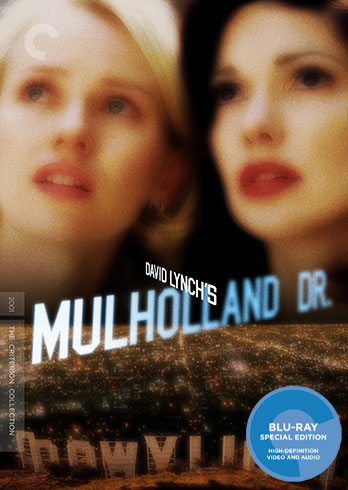
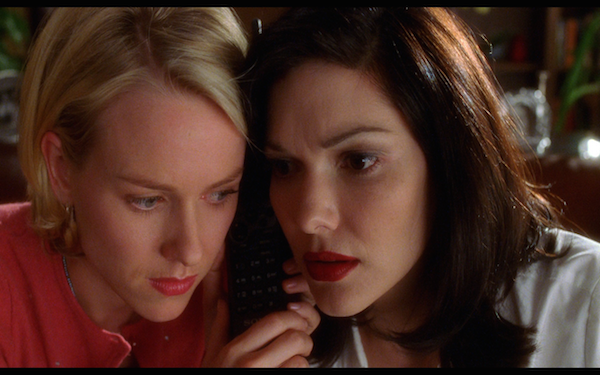
Aaron and Mark talk about David Lynch’s recent Criterion Collection release of Mulholland Drive. We talk about the nature of the production, from pilot to feature, the randomness, the allure of Naomi Watts, and why the film is so popular. We then turn the blue key and try to make sense of some of the reasonable and wild theories out there. Do we solve this possible? Maybe, maybe not, but we at least make some sense out of it.
Or listen here to it here:
For other apps or mobile devices, try this link.
Or direct download/listen to the MP3.
Show notes:
Outline:
0:00 – Intro, Housekeeping
3:40 – News
12:25 – Mulholland Drive
46:00 – Unraveling the Mystery
News
Only Angels Have Wings – likely coming to Criterion.
“Most if not all of the Almodovar catalog is coming to Criterion.”
Hou Hsiao Hsien on Criterion Current.
Mulholland Drive
Unraveling the Mystery
Everything you were afraid to ask about Mulholland Drive
Film Crit Hulk on Mulholland Drive
What’s Real About Mulholland Drive?
Memory, Identity and Desire: A Psychoanalytic Reading of David Lynch’s Mulholland Drive – Psychological abstract
The Perils of Fantasy: Memory and Desire in David Lynch’s Mulholland Drive
Where to Find Us:
Mark Hurne: Twitter | Blog | Letterboxd
Aaron West: Twitter | Blog | Letterboxd
Criterion Close-Up: Facebook | Twitter | Email
CCU12: The Brood (1979) & Early David Cronenberg

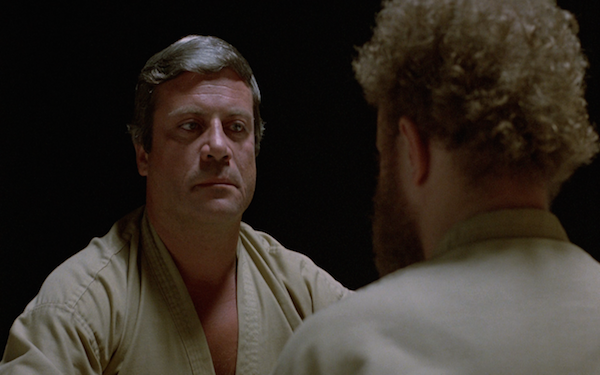
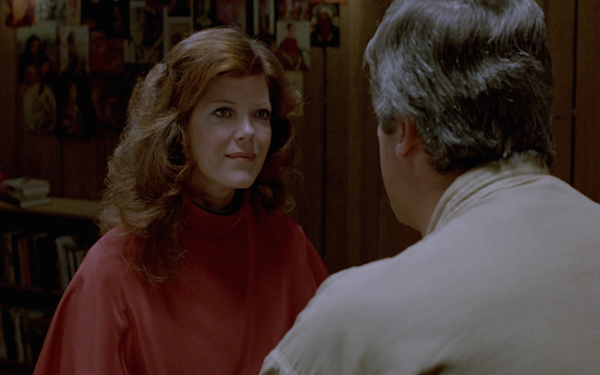
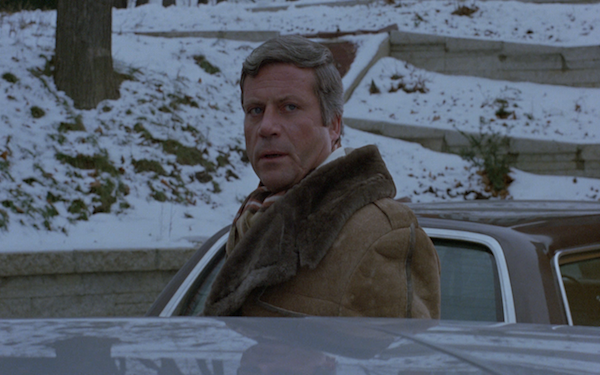
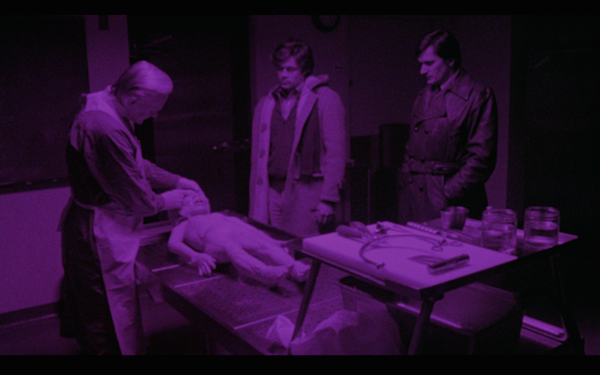
Aaron, Mark and Brian Saur talk about David Croneberg’s recent Criterion Collection release of The Brood. We talk about the intense acting, the pseudo-science that goes into the film, and we delve into spoiler territory. Don’t worry — we give plenty of warning. We also talk about the early body horror of Cronenberg and how he integrated science and sexuality into his films, which would continue throughout his career.
Or listen here to it here:
For other apps or mobile devices, try this link.
Or direct download/listen to the MP3.
Show notes:
Special Guest: Brian Saur from Rupert Pupkin Speaks and Criterion Cast’s Off the Shelf. You can find him on Twitter.
Outline:
0:00 – Intro, Welcome, Housekeeping
10:20 – News
22:00 – The Brood
45:45 – Spoiler section
52:15 – Ratings. Spoilers over.
1:02:40 – Early Cronenberg
Intro
Criterion Blogathon – Schedule Coming Soon
Weekend – second Criterion Short Cuts episode.
News
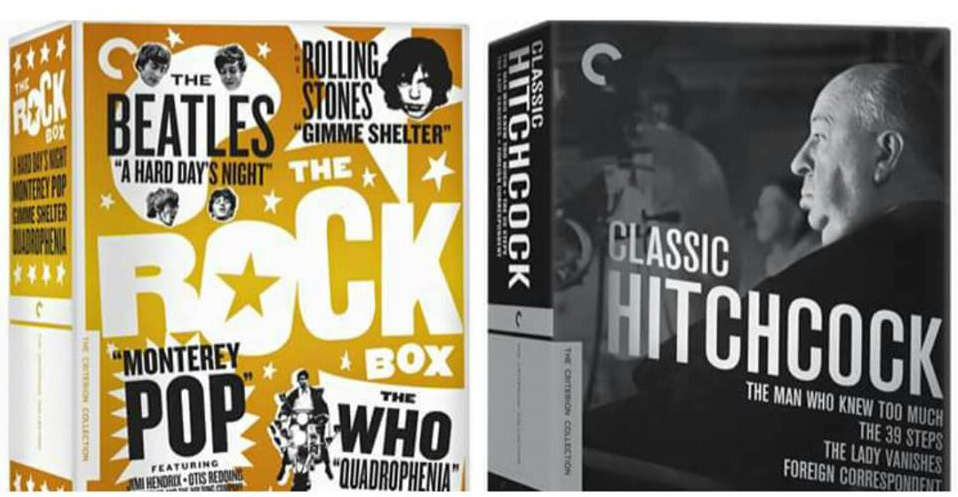
Is this coming to Costco?
Wenders Looking Back – confirms these titles are coming to the collection.
Ron Benson, founder of Eureka passes away.
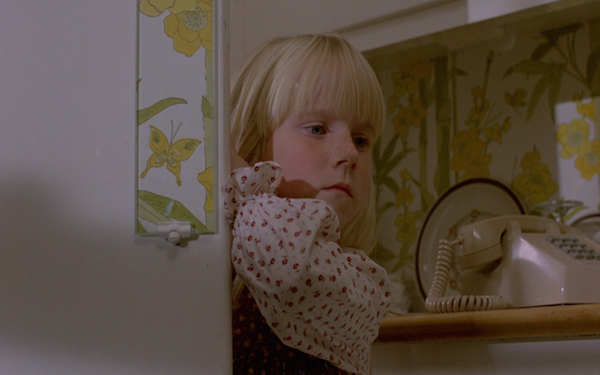
The Brood
The incomparable Oliver Reed:
Early Cronenberg
Where to Find Us:
Mark Hurne: Twitter | Letterboxd
Aaron West: Twitter | Blog | Letterboxd
Criterion Close-Up: Facebook | Twitter | Email
Short Cuts 2: Weekend, 1967, Jean-Luc Godard

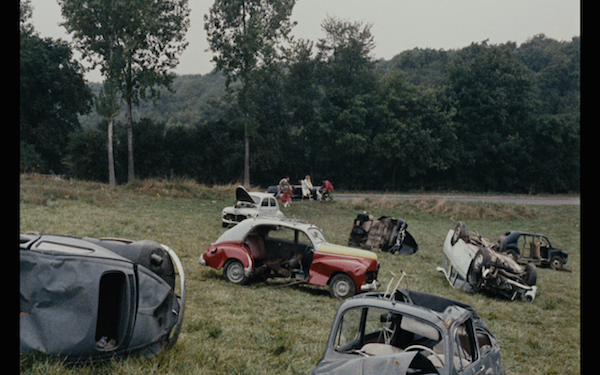
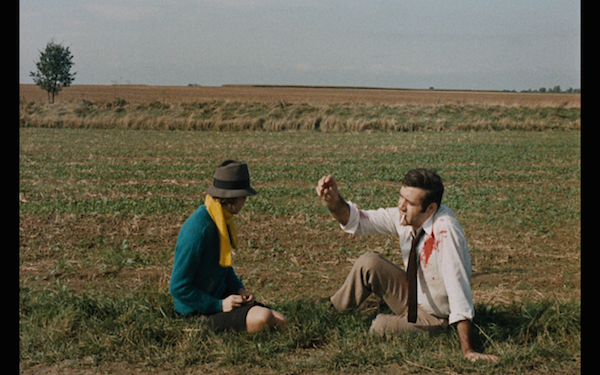
Aaron West does another solo cast looking at one of the later Godard works, as well as one of the most inflammatory, and one of the strangest. That’s saying something for Godard. He talks about the tracking shot, the political message, the references to film, and whether Godard was serious or just toying with the audience.
Or listen here to it here:
For other apps or mobile devices, try this link.
Or direct download/listen to the MP3.
Weekend

Where to Find Us:
Mark Hurne: Twitter | Letterboxd
Aaron West: Twitter | Blog | Letterboxd
Criterion Close-Up: Facebook | Twitter | Email
Zatoichi: The Blind Swordsman. Disc 6

It has been six months since I last blogged about Zatoichi, and that seems about right. Even though the series is often formulaic and closely resembles a TV series, there is still a great deal more artistry than in most mainstream productions. My good friend David Blakeslee recently discussed the perils of treating the Criterion Collection as a checklist, which is even more tempting with this box set that has functioned as a book-end for the last two years (seriously).
One disc at a time every months feels like the right way to let this series breathe, even if I am technically binging and having a triple feature. Having finished this disc, I wonder whether I would have thrown in the towel if I had continued to binge last time. Fortunately I did not, as I would soon encounter one of my favorites of the series.
ZATOICHI THE OUTLAW, SATSUO YAMAMOTO, 1967

I had a feeling the series had hit a creative slump near the beginning of Outlaw. Some people are having an arrow shooting contest, when Zatoichi walks up and humbly picks up the bow. The others were shooting at large targets from a good distance. Zatoichi says he prefers a smaller target. Not only does he get what he requests, but a lady holds the tiny target as he unleashes the arrow. Any guesses on where it lands? I don’t have to answer that question. It isn’t fair to expect realism from a series where a blind man can annihilate a horde of opponents at once, but sometimes they take it too far. It would be a reach for Robin Hood to be able to hit the target that Zatoichi hits, and who would dare to volunteer to stand in front of a blind man and a projectile weapon?
Outlaw did not get much better than there. The creative juices were nearly nil, as they went back to the well when drawing up the characters and the plot. Zatoichi goes to a town, finds some bad bosses who are taking advantage of peasants by cheating through gambling. He uncovers the operation by using a deft sword trick, and stands up for them.
Zatoichi does go into hiding and becomes an outlaw, but his companions are excruciatingly bad comic relief. They are like the Japanese peasant version of the Keystone Cops, only not nearly as funny.
What was most disappointing with this iteration is that there was potential to flesh out the character. He encounters another samurai who believes in non-violence, and there’s an ethical question given how many people Zatoichi has killed. It would be in the hundreds by this point, if not in 4-digits, which would have to weigh on a good man’s soul, but the thread is not pursued. Instead we get more bad comedy. The film nearly redeems itself with a good rain sequence near the end. It also ratchets up the gore, but this time some terrible practical effects quench the adventure and took me out of the picture. This is one of the low points.
Film Rating: 4/10
ZATOICHI CHALLENGED, KENJI MISUMI, 1967
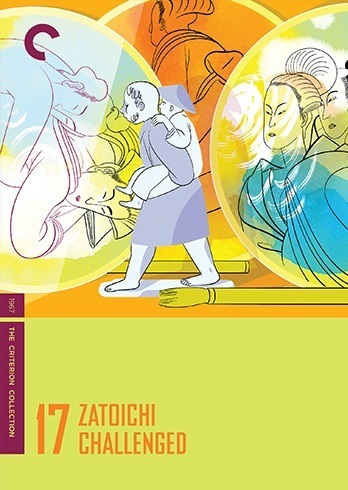
After seeing one of the worst, it was refreshing to see one of the best. Challenged follows some similar terrain as other episodes, but it gives a fresh spin and is well executed. There are two ingredients in particular that tend to make a Zatoichi film stand above the rest — a well developed peripheral samurai character and a child. The latter is central motivator, as his dying mother asks Zatoichi to find the child’s father. This is not unfamiliar, but this has a good child actor who has undeniable rapport with Shintarô Katsu. It is clear that the actor enjoyed being around children and probably helped them off the set, as the bond is easy to see in all of these films. Thus far, this was the best child and “uncle” dynamic.
The other samurai is Tajuro Akatsuka (Jûshirô Konoe), a mysterious figure that we first meet while Zatoichi is traveling with an entertainment troupe. When they are accosted, the samurai defends them by non-violently using the back of his sword. He is tall with a wide frame, and stands straight in an imposing manner. He has some age on him, probably older than Zatoichi, and his motivation is mysterious. He immediately becomes one of the more interesting side characters that the series has introduced.
There is an exceptional scene where we cannot tell whether there is tension or friendship between Zatoichi and this mysterious figure. Zatoichi gives the man a massage, and is offered more than ample payment for the task. Zatoichi tries to turn down the payment. He has his honor and does not feel he has deserved charity. Initially Akatsuka appears to take offense at this rejection, and this scene could go either way. The two have just met and we are not sure whether they will be allies or enemies. Unlike the previous film, this one is cut together well and it heightens the tension and the uncertainty, not just in this scene, but in many.
Even though few films are as predictable as a Zatoichi, this one unravels a little differently with both subplots. I will not give them away, but both are satisfying in a unique way.
Challenged is now my second favorite Zatoichi film next to Pilgrimage.
Film Rating: 8.0/10
ZATOICHI AND THE FUGITIVES, KIMOYOSHI YASUDA, 1968
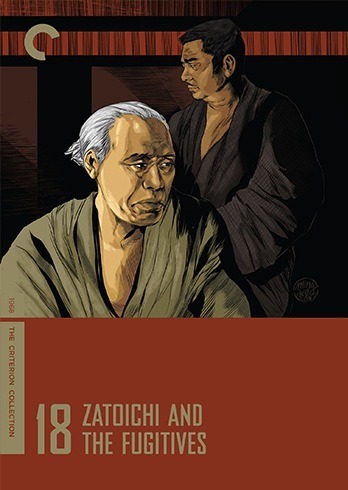
This section of the series is up and down, with highs and lows. Fugitives is closer to mediocrity, but like most of the series, is still highly watchable. One of the strengths is we get a truly great actor, Takashi Shimura, known for films such as Ikiru, Rashomon, Seven Samurai, and many others. He plays an aging doctor that kindly takes the swordsman into his home, allowing Zatoichi to ply his trade as a masseuse and earn an income. Dr. Junan is both ethical and giving to the town, as he gives more in service than he takes in income. At one point Zatoichi suspects him for being so altruistic, which may not be surprising since he encounters so many selfish characters. Junan also hates Yakuza, and is dismayed when he learns that Zatoichi considers himself to be one.
If I were to criticize Fugitives, it is that Shimura is not given enough to do. He is terrific when on screen, and aside from Zatoichi, has the best character. He also has an interesting familial arc that intertwines with the main plot, but even that is not explored with as much depth as I would have enjoyed.
The fugitives are the main plot, but they are underdeveloped and there are simply too many of them. Often the Zatoichi series is too simple, and the characters too flat. In this film, the majority of the characters and all of the fugitives are perplexing. We don’t understand why they are hiding, who they are hiding from, and what their relationship is with the local bosses. What we do know is that they are antagonists.
The series does well with action when they introduce different type of weapons. A group of 50 villains with short swords are as good as mince meat when facing the blind hero. His disadvantage is that he cannot see what is lurking in the shadows. One of the fugitives throws knives, and there is even a gun during one crucial scene. Zatoichi is not as superhuman and actually bleeds in this film, and the action sequences are well developed. If only we had fewer fugitives and more Shimura, this could have been one of the better episodes in the series.
Film Rating: 6.5/10
Episode 11: January 2016 Releases and the Classic Film Blogosphere
Aaron, Mark and Kristina Dijan talk about the just announced January 2016 Criterion Collection releases. We also delve into the film blogosphere. There is a huge blogging community that spans across multiple platforms, social or technological, and Kristina is at the heart of that community.
Or listen here to it here:
For other apps or mobile devices, try this link.
Or direct download/listen to the MP3.
Show notes:
Special Guest: Kristina Dijan from Speakeasy. You can find her on Twitter.
Outline:
0:00 – Intro, Welcome, Housekeeping
17:25 – News
27:30 – January 2016 Releases
52:15 – The Film Blogosphere
Intro
Criterion Blogathon – Deadline for submissions this Friday, 10/23.
Alambrista – first Criterion Short Cuts episode.
InSession Film: 99 Homes, The Third Man
New header image at Criterion Blues. Thanks, Aaron Bird.
Jean Grémillon During the Occupation – giveaway. Listen for details.
News
Criterion Current: Guy Maddin and Evan Johnson – The Graduate mention.
Cohen Media Acquires Merchant-Ivory.
Nerdist – More on new Wes Anderson project.
January 2016 Releases
The Complete Lady Snowblood
Bitter Rice
The American Friend
Inside Llewyn Davis
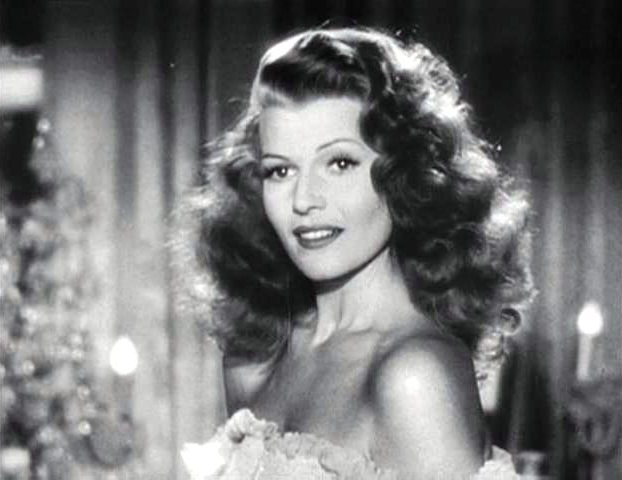
Gilda
The Film Blogosphere
Movie Musings and Podcastings – Mark’s new blog.
Reader Programs: WordPress, Feedly, Reeder
Classic Movie Hub’s Blogathon page.
Blogathon Info:
My The Blob contribution to the Great Villain ‘thon.
Classic Movie History Blogathon
Last year’s O Canada Blogathon.
Veteran Bloggers:
Classic Film & TV Cafe
Shroud of Thoughts
Greenbriar Picture Shows
Laura’s Misc Musings
Self-styled Siren
The Stop Button
Blogs Mentioned:
Mike’s Take on Movies
Blonde at the Film
Movies Silently
Now Voyaging
House of Self Indulgence
Wonders in the Dark
Interested in Sophisticated Fun
Criterion Reflections
Rupert Pupkin Speaks
Pre-Code.com
Outspoken and Freckled
Aurora’s Gin Joint
Cinematically Insane
Blogger Groups:
Classic Movie Blog Association – eBook here and here.
Classic Movie Hub
Where to Find Us:
Mark Hurne: Twitter | Letterboxd
Aaron West: Twitter | Blog | Letterboxd
Criterion Close-Up: Facebook | Twitter | Email
Top 20 of 1977

The timing of this list post is interesting. I often post these lists on Fridays. This is basically because the group that I assemble these with usually unveils the consensus results during the week. It is also partly because this is an easy type of post to write at the end of the week.
The 15th of the month is a special day for me because it is (usually) Criterion Announcement Day. This month the 15th fell on a Thursday, and usually I get caught up in the social media hubbub that I don’t feel like blogging anyway. So yesterday I was hitting refresh like I always do, but there were no releases to be announced. I hoped they would come this morning, but the hours passed and still nothing. It was weird because often Criterion will give a warning if there are delays. As the evening hour approached, they abruptly went up, and it turns out one of the releases, The American Friend, is on this list. What better day to post it? I’m a fan of Wenders, and he has topped one of my lists before. He is not on top this time, but pretty close. Needless to say, I’m thrilled about this announcement.
Back to the list. 1977 was firmly in the post-Jaws era of Hollywood. The gritty, American New Wave pictures were quickly becoming a thing of the past. Woody Allen was moving away from his earlier, “funny ones,” and becoming one of the top auteurs of the time. In my opinion, 1977 is a weaker year than most of the years in the 1970s. I’m not blaming Jaws or mainstream American film in general. I have a few of those on my list. It just seems like the industry was in a state of flux.
When I look at the list, it looks pretty diverse. There are seven foreign films (eight if you count Australia), three Hollywood summer films, five American “high brow” films, one mini series, and a documentary. That fits the year. There are worse years, but this one is all over the place.
One of the frustrating issues with compiling this 1977 list was the lack of availability of some key titles. I particularly wanted to see The Lacemaker, The Devil Probably, Soldiers of Orange, Hitler: A Film, and others, but they were not available. If these or others get a proper release, then my list could change.
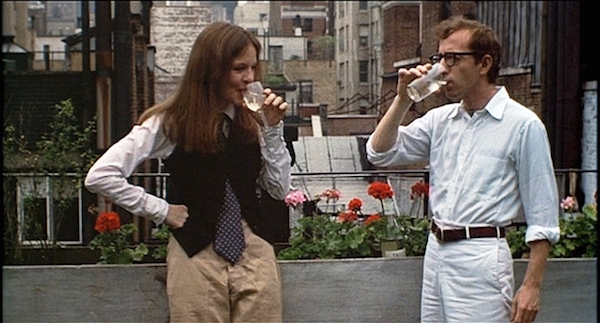
1. Annie Hall
2. 3 Women
3. The American Friend
4. Suspiria
5. Man of Marble
6. Sorcerer
7. Roots
8. The Ascent
9. Providence
10. The Duellists
11. Eraserhead
12. Star Wars
13. Slap Shot
14. Close Encounters of the Third Kind
15. That Obscure Object of Desire
16. Stroszek
17. Looking for Mr. Goodbar
18. Alambrista!
19. The Last Wave
20. 21
The Shining and the Family: Women at Work
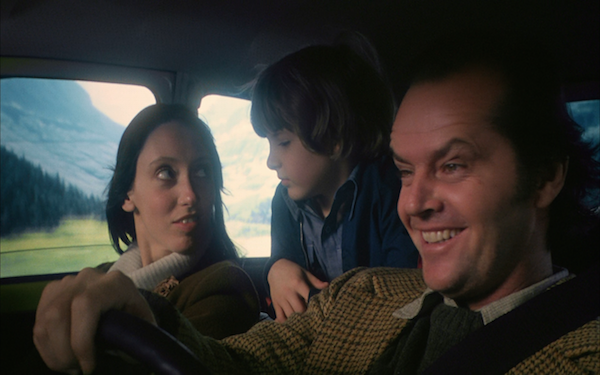
During the late 1970s and early 1980s, the topic of women’s liberation and the female role in the workplace was frequently and intensely debated. Like many political issues, the topic was divisive and controversial. The argument would manifest itself in pop culture and visual media. The Shining is an interesting piece of filmmaking because it constantly addresses social issues, and this is just one of them. It is most effective when negotiating the structure of the family and investigating the source of dysfunction. The movie comes out clearly against placing women in the workplace, claiming that in doing so, parents choose their own careers over responsibility for their children. Their absence from the child’s life, as is the case between Wendy and Danny, results in the child being exposed to dangerous influences that will disrupt their growth. The movie uses horror cinematic elements in order to make its case.
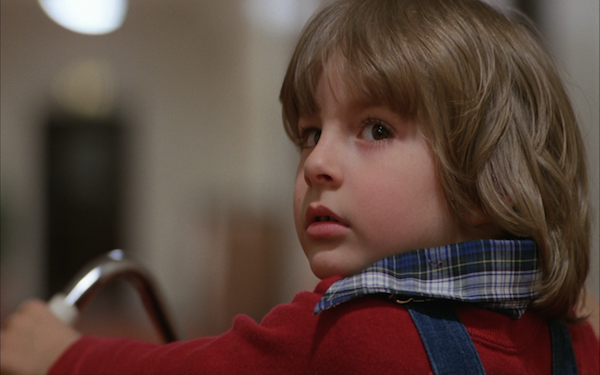
Many scenes in the film can be used to demonstrate this argument, but one that is particularly revelatory is when Danny Torrance interacts with the supernatural and enters the forbidden room number 237. The scene results in Danny being accosted by supernatural forces, injuring his neck. It comes at a significant point in the movie, taking place just after an uncomfortably awkward scene where Jack Torrance promises his son that he loves him and would never harm him. In the scene afterward, Wendy accuses Jack of violence towards their son. This sets in motion the course of events that will result in Jack attempting to murder his family.
The sequence takes place on a Wednesday, as shown by the title card, however we are not certain which Wednesday. It could have been a week or a month from the previous scene. All we know is that a period of time has elapsed, and judging from the intrusive editing and how the title card appears to be thrust onto the screen, the upcoming events are not going to be pleasant. This particular day of the week is significant in terms of the working mother argument because it is takes place in the middle of the business week, where the traditional father is away at work and the child is cared for by the mother. We will see shortly that things are different at the Overlook hotel.
Following the title card is an establishing shot that gives us an exterior view of the hotel. The camera is looking up from the bottom of a snow-covered hill, with trees bordering each end of the frame. The middle of the hotel is framed by two lone trees, a little ways apart from each other. To the left of this framing, we see a set of lights on. The light to the far left illuminates two windows. This is Jack’s work area where he is currently having a nightmare. Also on the left of the frame is another light, which is where Wendy is busy checking the boilers and making sure that everything in the hotel is functioning. She has taken on Jack’s role of caretaker, ignoring her child in the process. The only other light is on the other side of the hotel. This is where Danny is playing, hundreds of feet away, out of sight and earshot from his parents. The two trees in the middle of the frame are used here as a measuring device. They give us a visual representation of the physical distance between parents and child, and in a glimpse, how they are not able to prevent a horrific event from occurring.
We then cut to Danny playing with miniature cars and trucks on the hotel floor. The toy vehicles are colored either pink or blue. These colors represent gender roles, which in this case are his absent parents. There are five pink colored cars compared to three blue cars. The color of the cars here indicates the gender struggle in raising Danny, but by having pink being the dominant color, the movie is giving a visual cue that the female should be caring for the child. From out of nowhere comes a pink tennis ball. It interacts with Danny as he is playing with a toy car in each hand, one blue and one pink, hitched together. The tennis ball interacts with his play by slowly rolling into the center of the two cars, essentially dividing them.

The pink tennis ball is implying a gender interaction. It is breaking up the male-female balance with another feminine element, the origin of which is unknown at this point. It could be his mother or perhaps one of the specter twins that he has seen around. The music is frightening. Several instruments play a single, sustained note together, somewhat out of tune, which follows with silence and then repeats the same note again. We, the viewer are meant to expect that something sinister is happening. We would think that Danny, with his psychic abilities that have already warned him of evil forces throughout the hotel, would also suspect something dangerous lurking. At first, when he looks for whoever rolled the ball, he does appear to be a little frightened. The look on his face is inquisitive, showing that he detects something is amiss, and he takes a few labored, deep breaths.
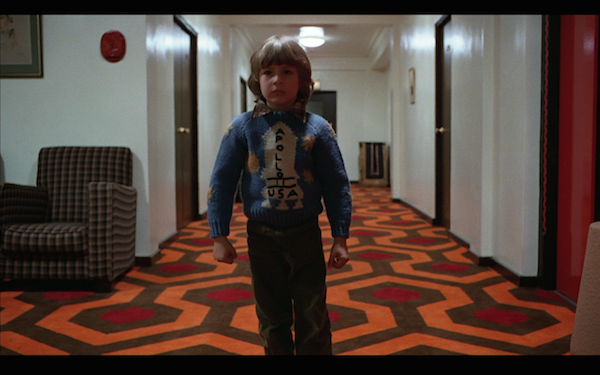
When Danny is taking his deep breaths, his body language shows aggression. He is poised with his arms by his sides. His posture looks imposing, as a martial artist or street fighter might look before engaging in a battle stance. We can also read ignorance from his demeanor. Again, the audience suspects that the tennis ball rolling could be a threatening gesture. Two ghost children have already asked him to play with them forever and ever, implying that he die and haunt the hotel with them. Therefore we associate this attempt of innocent play as something to be frightened of, but his actions are not falling in line. Had Danny’s mother been around, she undoubtedly would have led him away from the potential horror. The film is claiming that her irresponsibility is what put Danny here in the first place.
There are several reminders of how alone Danny is on this hotel room floor. In between close ups of Danny’s reaction, we see long shots of the hallway from in front and behind Danny. Behind Danny are just one or two rooms. In front of him are four rooms, but the way the hallway is photographed make these four rooms seem a mile away. Danny is out in the middle of nowhere, completely vulnerable – a little kid on the moon.
Danny’s fear lasts for only a moment before a destructive curiosity takes over. Who rolled this tennis ball? Danny indicates that he thinks it is his mother. He calls out for her as he stands there, still in his aggressive stance. Of course there is no answer. He slowly moves forward and calls again for his mother. His fright has left him. His breathing appears normal. He is now curious as he moves forward. His mother, if given a voice, would stop his advance right there and send him in a different direction. We get a visual reminder of his other options, as there are labeled exits just to the side and behind him, but Danny presses forward.
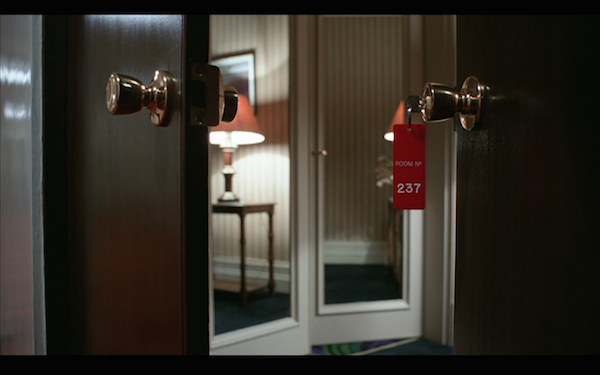
The camera changes to Danny’s point of view as he walks, moving from side to side and bobbing up and down. We see the open room door, the dangling room key and we head straight for it. The eerie music continues, constantly warning us that we are heading for something unpleasant. Danny continues until the room key becomes visible. This is the ill-fated room 237, the same room that Dick Hollorann warned him not to go near. The doorknob with the blood-red key ring is at eye level with Danny and the camera, still in first-person view. Danny stops for a moment in front of the room key and calls again for his mother, this time asking if she is in the room. By addressing her again, he reminds us that her absence is irresponsible.
Once Danny and the viewer get a glimpse of the inside of room 237, the scene dissolves to Wendy going about her work, checking the boilers and other machinery. The choice to dissolve here is interesting. This was not used for any of the other cuts. Kubrick is saying something here. The room has been developed to be an evil, ominous place. Once we get a look at it, we are placed back into Wendy’s workplace. On top of that, Danny is calling for her, expecting her to be inside the room. By using these techniques, we are being given the horror of room 237 and the idea of a woman working and neglecting her child on the same level. Adding this up, we understand that it is the fact that the mother works that is evil.
In case the audience is not sure of what is being said, it is immediately clear as Wendy’s scene unravels. As she is going about her work, she hears a scream. Having been with Danny for the past minute-and-a-half, we expect it to be his scream. We find out that it is Jack’s. Wendy runs for him and discovers that he has had a horrific dream, one in which he kills Wendy and Danny and chops them into pieces. Wendy takes on a motherly role with Jack, but not her son, who we know has undergone his own horror. His is real, whereas Jack’s is imaginary. We meet up with Danny shortly and find that he is injured. Since the mother was not there, she does not know how or why this occurred. She places blame on Jack, which completes his transformation that brings events to a climax.
With this short scene, Kubrick is making a statement about the role of parents in a child’s life. He feels that the mother should be the caretaker for her child, and she is solely responsible if anything goes wrong. He uses several cinematic elements and horror film conventions to drive his point home, including clever editing, scary music, symbolism within the mise-en-scène, and the cinematography. This same idea is corroborated by the plot and dialog of the movie, and is resolved scene after scene. In essence, the movie is about the dysfunctional Torrance family and who is to blame for their unraveling. Kubrick is arguing that if Wendy and Danny stuck together, they would have avoided, or at least minimized, the abuses inflicted by an unstable father.
Short Cuts Episode 1: Alambrista!

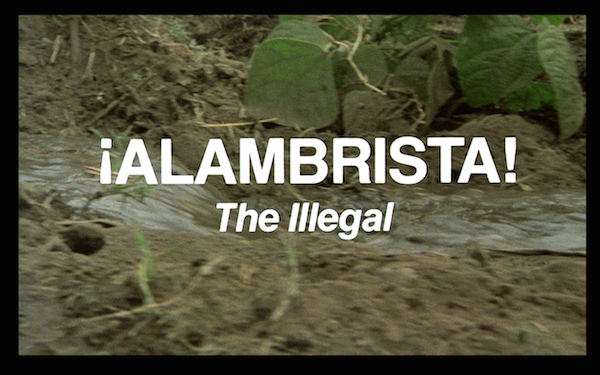
Aaron West starts out this new, shorter series with a solo cast about The Criterion Collection’s release of Robert M. Young’s Alambrista. In this short episode, he explores the low budget “guerrilla” filmmaking, the neo-realism, nature of the immigrant, and evaluates the film and Criterion release.
Or listen here to it here:
For other apps or mobile devices, try this link.
Or direct download/listen to the MP3.
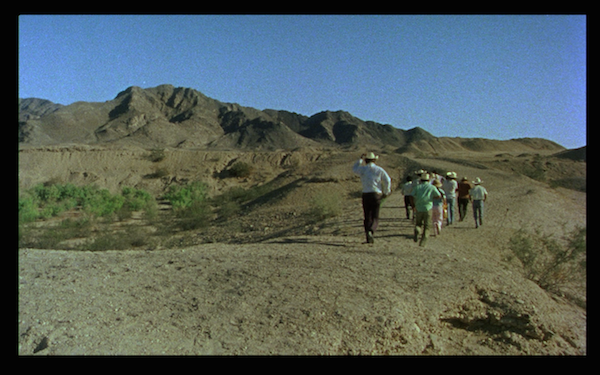
Crossing the border.
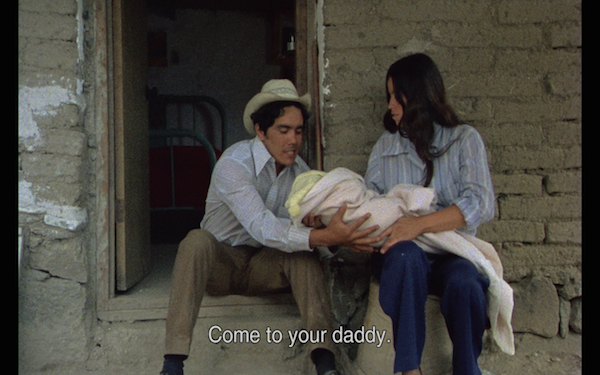
Family in Mexico.
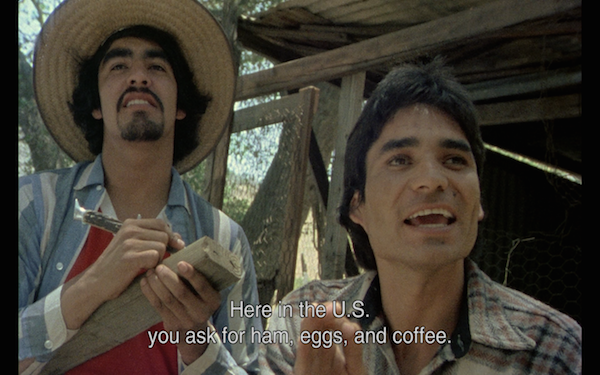
“American” lessons.
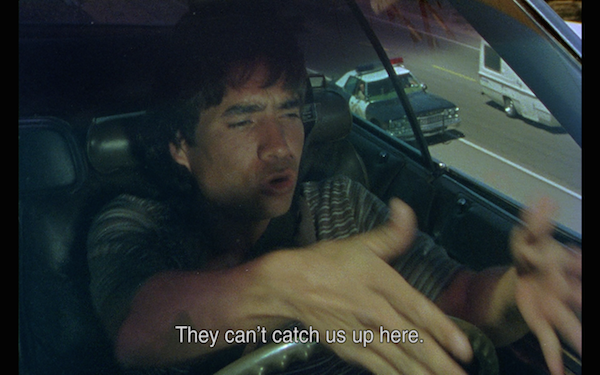
Joe and Roberto, above the law.
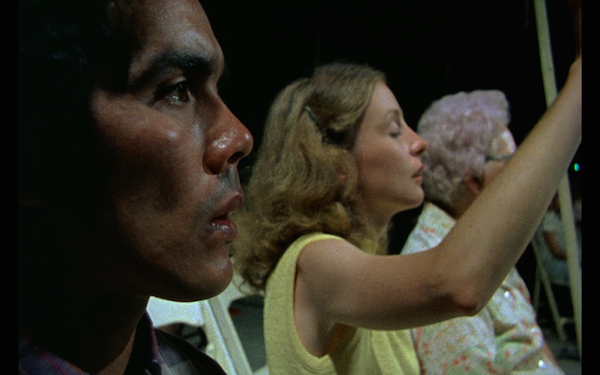
Roberto hearing the preacher.

Roberto
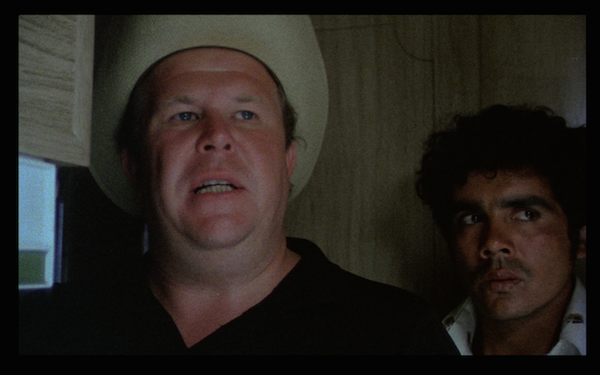
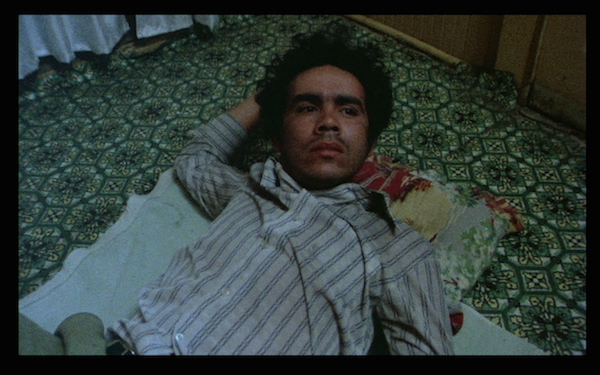
Roberto at waitress’ house.
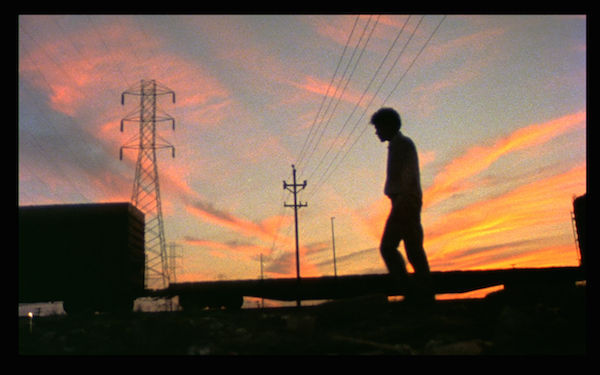
Roberto at sunset
Where to Find Us:
Mark Hurne: Twitter | Letterboxd
Aaron West: Twitter | Blog | Letterboxd
Criterion Close-Up: Facebook | Twitter | Email
CCU 10: House/Hausu (1977) & The Shining

Aaron, Mark and Keith Silva talk about the Japanese cult, off-the-wall horror film House. This is a film that has to be seen and can hardly be described. We follow it up with a discussion of Stanley Kubrick’s The Shining, which we feel is the benchmark when it comes to haunted house films. Unfortunately we had some technical issues and lost a good bit of the House segment, but plan to re-record soon.
Or listen here to it here:
For other apps or mobile devices, try this link.
Or direct download/listen to the MP3.
Show notes:
Special Guest: Keith Silva from Interested in Sophisticated Fun and Psycho Drive-In. You can find him on Twitter.
Outline:
0:00 – Message from Aaron about Technical Difficulties
1:40 – Intro, Welcome to Keith
15:00 – Housekeeping, Show Announcements including new splinter show.
19:20 – News
35:05 – House (abbreviated, tech issues)
44:35 – The Shining
Intro
Shout out to Criterion Confessions.
Thanks to David for Moonrise Kingdom episode!
Tweet about Wes Anderson’s new project from Peter Putzel.
Housekeeping
Updated Facebook Page. Please like it!
New Mini-Episodes coming soon. Criterion Short Cuts!
News
Chantal Akerman Tributes:
Flixwise Episode about Jeanne Dielman.
Whit Stillman tweet about Barcelona.
Costco:
No more replacement title cases on the Criterion site.
House
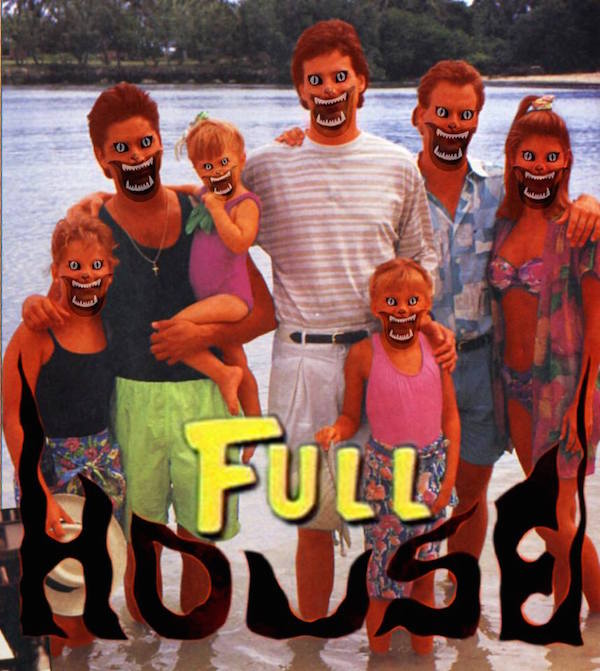
Full Hausu courtesy of Criterion
The Shining
Where to Find Us:
Mark Hurne: Twitter | Letterboxd
Aaron West: Twitter | Blog | Letterboxd
Criterion Close-Up: Facebook | Twitter | Email
Episode 9: Moonrise Kingdom & The Wes Anderson Debate

Aaron, Mark and David Blakeslee talk about Moonrise Kingdom, which ties closely to personal events in David’s life that he was generous to share with us. We also discuss the dichotomy of Wes Anderson. Why is he such a divisive director? What is it about him that attracts and repels people with such passion?
Or listen here to it here:
For other apps or mobile devices, try this link.
Or direct download/listen to the MP3.
Show notes:
Special Guest: David Blakeslee from Criterion Reflections, CriterionCast, and The Eclipse Viewer. You can find him on Twitter.
Outline:
0:00 – Intro, Welcome, Shout-Outs
17:50 – News
27:30 – Moonrise Kingdom
1:26:15 – The Wes Anderson Debate
Intro
David and Mark on Pierrot le fou
David and Mark on Red Beard
David and Aaron on Violence at Noon
David’s infamous Criterion shelf image that went viral.
News
Barnes and Noble Sale – potential confirmation
Welcome to Criterion’s Online Cinematheque
Moonrise Kingdom
David’s Moonrise Kingdom video for Brandon and Katie.

David’s Moonrise KIngdom swag.
Where to Find Us:
Mark Hurne: Twitter | Letterboxd
Aaron West: Twitter | Blog | Letterboxd
Criterion Close-Up: Twitter | Email


 Criterion Close-Up